
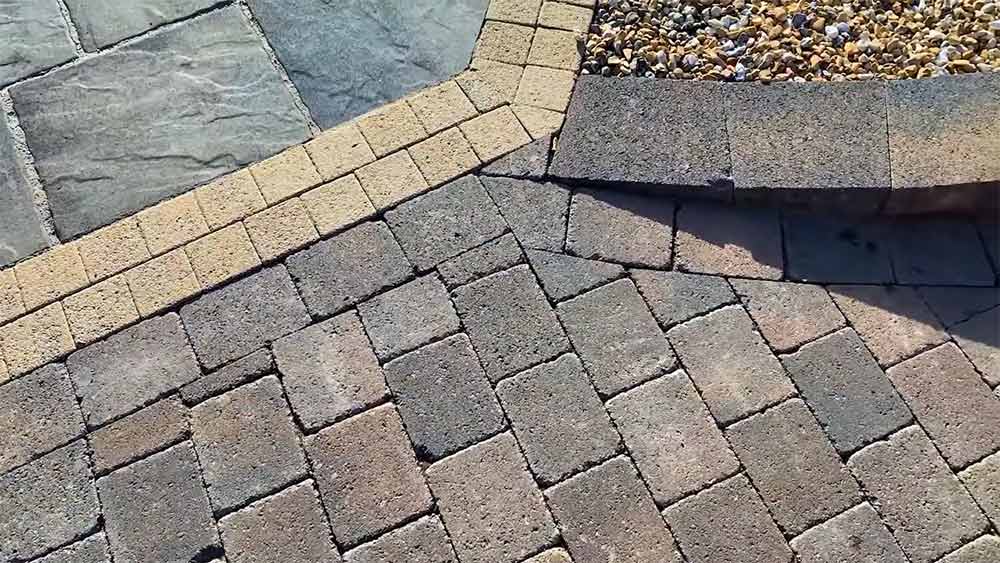
What if I told you that the choice of block paving material could make or break the aesthetic appeal and durability of your driveway or outdoor space? When it comes to block paving, selecting the right materials is crucial for achieving the desired results. With over 1,200 different pavers available in the UK alone, how do you navigate through the options and make the right decision?
At Block Paving Mansfield, we understand the importance of choosing the perfect block paving materials for your project. Whether you’re looking for driveway surfacing, patio installation, or landscaping services, the materials you choose can significantly impact the overall outcome. That’s why we’ve put together this guide to help you make an informed decision.
Concrete blocks and clay bricks are two of the primary choices when it comes to block paving materials. Concrete blocks offer a wide variety of shapes, sizes, and depths, making them versatile and cost-effective. On the other hand, clay bricks are slightly more expensive but boast extreme durability and colour retention.
But which material is right for your project? How do aesthetics, durability, and maintenance requirements play into the selection process? In this article, we will explore these questions and provide you with valuable tips for selecting the perfect block paving materials.
So, if you’re ready to transform your outdoor space with beautiful block paving, keep reading to discover expert insights and make an informed decision. Let’s dive in!
Choosing the Right Colour Scheme for Block Paving
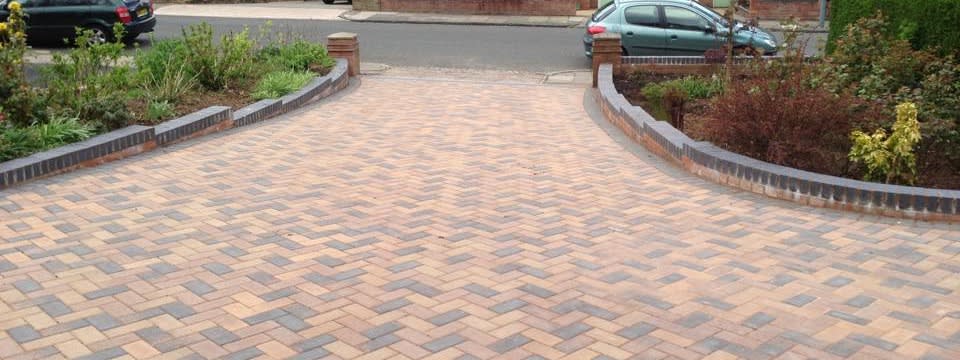
The colour of block paving plays a crucial role in creating a visually appealing and harmonious outdoor space. When selecting the colour scheme for your block paving project, it’s essential to consider the environment and surroundings in which it will be installed.
Start by observing the type and colour of nearby buildings, walls, gardens, and landscapes. Take into account the existing aesthetic elements and aim for a complementary palette that enhances the overall appeal.
Looking at other pavements in the local area can also provide valuable insights into successful colour schemes. Note the combinations that blend well with the surroundings and those that stand out in a vibrant and pleasing way.
It’s important to understand the impact of light and dark colours in different settings. Lighter colours can create a striking contrast in darker surroundings, adding depth and visual interest. However, they tend to show stains and tyre marks more prominently, requiring more frequent cleaning to maintain their pristine appearance.
Conversely, darker colours can provide ample contrast in light-coloured settings, making a bold statement.
They are often more forgiving when it comes to stains and tyre marks, providing a more practical option for areas with heavy traffic.
Keep in mind that grey-toned block paving, such as Cotswold stone or buff-toned options, can offer a versatile and neutral choice that complements various environments.
They seamlessly blend with a range of colour schemes and provide an elegant and timeless look.
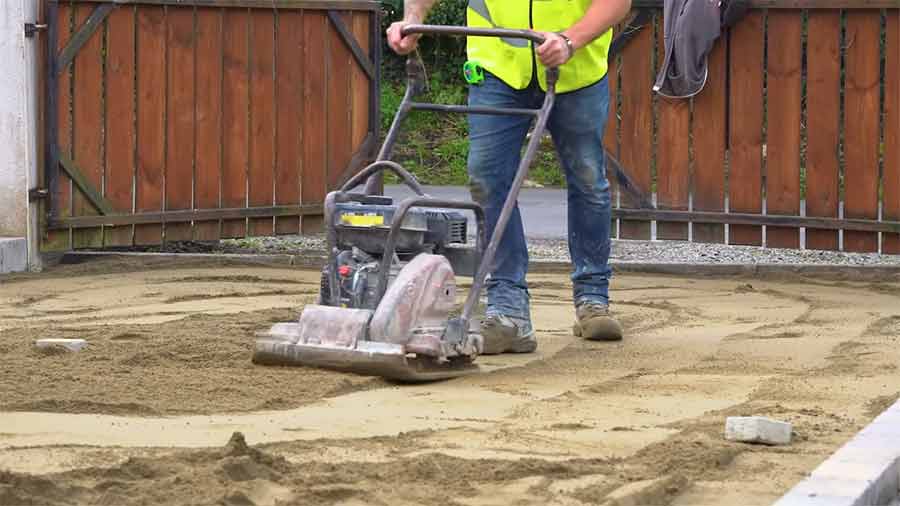
To illustrate the impact of colour schemes on block paving, consider the following:
| Light Colours | Dark Colours |
|---|---|
| Vibrant Red | Charcoal Grey |
| Soft Beige | Midnight Black |
| Pale Yellow | Dark Brown |
Remember to choose a colour scheme that not only complements the environment but also aligns with your personal preferences and the desired atmosphere. By carefully selecting the right colour scheme for your block paving, you can create an outdoor space that harmoniously blends with its surroundings and provides lasting beauty.
Pros and Cons of Different Block Paving Materials
When it comes to block paving, there are various materials to choose from, each with its own set of pros and cons. It’s essential to consider these factors in order to select the most suitable material for your project.
Porcelain
Porcelain block paving is a popular choice due to its durability and low maintenance requirements. It is available in a wide range of designs and colours, making it easy to find a style that matches your preferences. Additionally, porcelain can mimic the appearance of natural stone, wood, or concrete, providing a versatile and aesthetically pleasing option.
Sandstone
Sandstone is an excellent choice for those seeking a more natural look for their block paving. It is easy to clean and maintain, ensuring that your paving stays in pristine condition. Sandstone offers a variety of color options and textures, allowing you to create a unique and visually appealing surface.
Limestone
Limestone block paving provides a textured finish and a classic, elegant appearance. It is a popular choice for those looking to achieve a sophisticated aesthetic. However, it is worth noting that limestone may be more susceptible to scratching and staining compared to other materials, so regular maintenance is essential to preserve its beauty.
Slate
Slate block paving offers a unique and distinctive appearance to any outdoor space. It is non-porous, making it resistant to water penetration and suitable for areas that are exposed to the elements. Slate provides a durable and long-lasting paving solution, ensuring that your investment stands the test of time.
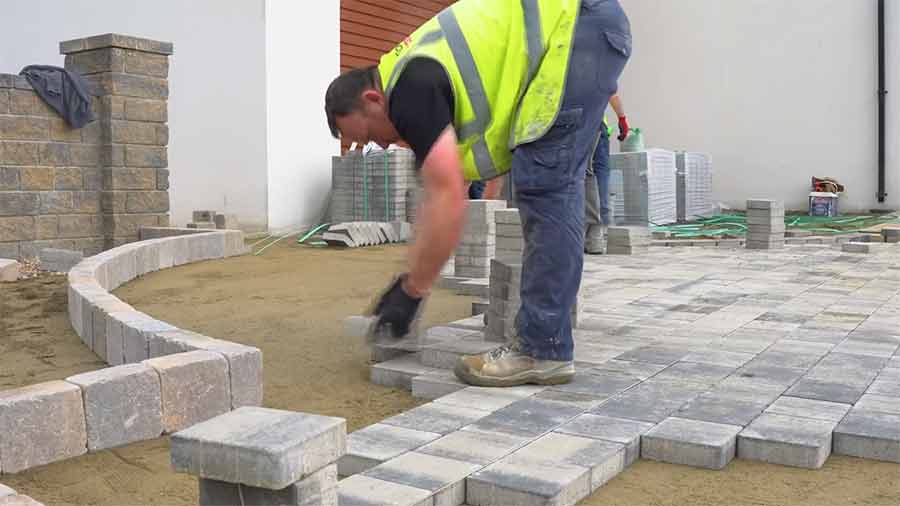
Concrete Pavers
Concrete pavers are the most budget-friendly option for block paving projects.
They come in various sizes, shapes, and finishes, offering versatility in design.
While concrete pavers may lack the natural aesthetics of other materials, they make up for it with their durability and easy maintenance.
When choosing the right material for your block paving, it’s important to consider factors such as durability, maintenance requirements, cost, and aesthetic appeal. Each material has its own unique characteristics that may suit different project needs. By carefully evaluating these factors, you can make an informed decision and select the perfect block paving material for your project.
Conclusion
When it comes to selecting block paving materials for your project, it’s crucial to consider the specific needs and requirements. Durability, low maintenance, aesthetic appeal, and cost-effectiveness should all play a role in your decision-making process.
You have two main material options: concrete and clay. Concrete blocks offer affordability and versatility, with a wide range of shapes and sizes to choose from. On the other hand, clay bricks provide natural durability and color retention, ensuring your paving will stand the test of time.
Furthermore, don’t forget to consider the colour scheme that will blend harmoniously with your environment. Whether you opt for vibrant or neutral tones, make sure they complement the surroundings and create a visually pleasing result. Take into account the shape and pattern options available as well to add visual interest to your driveway or outdoor space.
By carefully evaluating these factors and selecting the perfect block paving materials, you can create a durable, low maintenance, aesthetically appealing, and cost-effective solution that will enhance the overall appeal of your property for years to come.
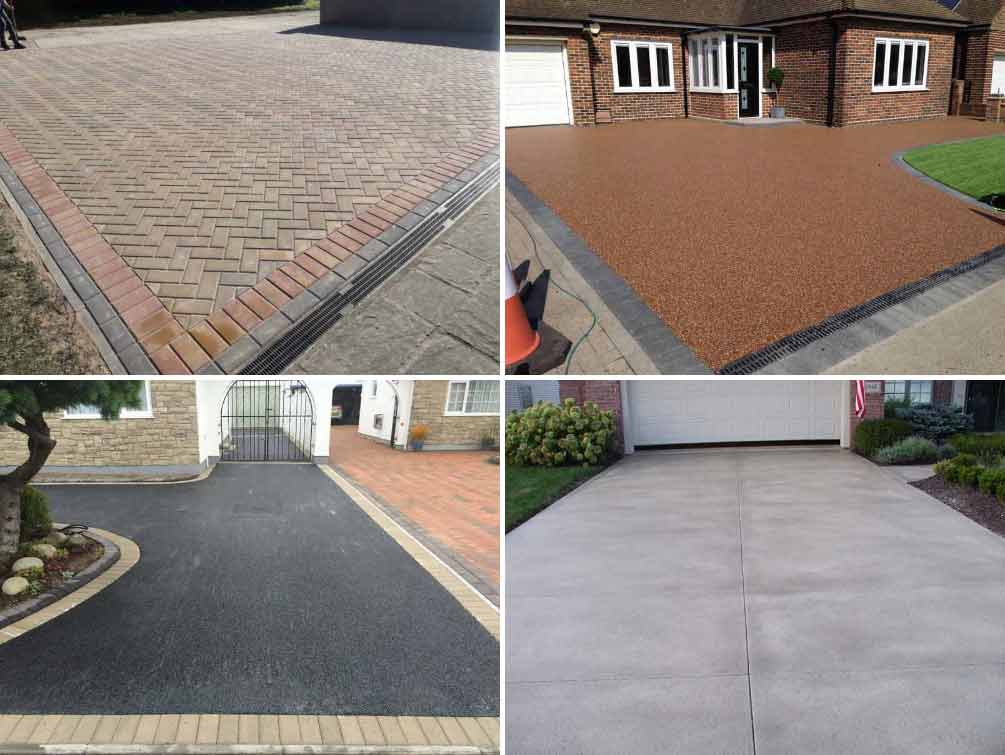
Contact us today on 07595 510190 to receive a free quote for your Dropped Kerb, Tarmac, Resin, Concrete or Block driveway project or visit our website.
Source Links
- https://www.aggregate.com/
blog/what-block-paving - https://www.idealhome.co.uk/garden/
landscaping/best-materials-for-paving - https://www.pavingexpert.com/blocks03
Block paving is a popular choice for driveways due to its versatility and visual appeal. Compared to other materials like Read more
Block paving has become a popular choice for homeowners looking to enhance the aesthetics and functionality of their outdoor spaces. Read more
When considering the task of laying block paving, individuals may question their capability to undertake this endeavour independently. This article Read more