
Block paving has become a popular choice for homeowners looking to enhance the aesthetics and functionality of their outdoor spaces.
However, before embarking on this project, it is crucial to consider whether planning permission is required.
This article aims to provide an objective and informative analysis of the factors that determine the need for planning permission in relation to block paving.
By examining permitted development rules, local council regulations, and seeking professional advice, homeowners can make informed decisions about their proposed block paving projects without any emotional bias or personal influence.
Understanding Permitted Development Rules
The understanding of permitted development rules is crucial in determining whether planning permission is required for block paving.
Permitted development rules, governed by local building regulations, outline the specific activities and changes that can be carried out without the need for planning permission.
These rules vary depending on the location and type of property. When it comes to block paving, it is important to consider these rules before starting any work.
It may be possible to undertake block paving as a permitted development if certain conditions are met, such as using permeable materials or ensuring proper drainage systems are in place.
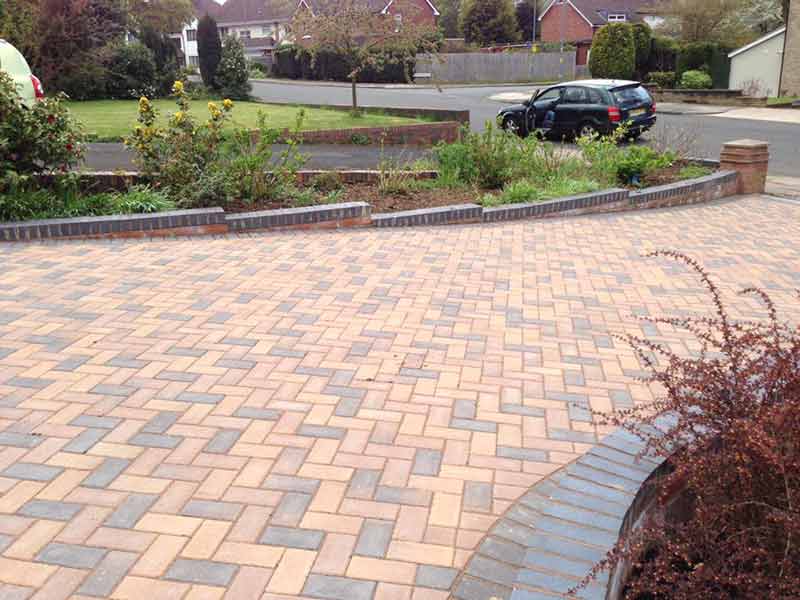
Additionally, exploring alternative paving options could also help avoid the need for planning permission altogether. By understanding building regulations and considering alternative options, individuals can make an informed decision regarding their block paving project while adhering to the necessary guidelines. Block Paving Vs. Other Driveway Materials
Factors that Determine the Need for Planning Permission
Factors such as local planning regulations and the scale of the proposed project can influence the requirement for obtaining permission when considering certain construction activities. Determining eligibility for planning permission is crucial to ensure legal compliance and avoid potential penalties.
In some cases, specific exemptions may exist that exempt certain construction activities from requiring planning permission. These exemptions are typically based on criteria such as size, location, and purpose of the project. Understanding these factors can help individuals or organisations determine whether they need to seek planning permission for block paving or other construction projects.
However, it is important to note that local regulations vary, and it is always advisable to consult with local authorities or professional advisors familiar with the specific area’s rules and regulations.
- Size of the proposed project
- Location of the project
- Purpose of the construction activity
- Local planning regulations
- Specific exemptions based on criteria
Checking Local Council Regulations
Local council regulations play a crucial role in determining the eligibility for construction activities. When it comes to block paving and the need for planning permission, it is important to check the specific guidelines set by the local council.
These guidelines outline the requirements and restrictions for constructing driveways using block paving materials. It is advisable to consult with the local council or visit their website to obtain accurate information regarding planning permission for block paving.
Additionally, alternative driveway options may also be considered if they comply with the council’s regulations and do not require planning permission. These alternatives could include gravel driveways, permeable surfaces, or other suitable materials that meet both aesthetic and functional requirements while adhering to local council guidelines.
Seeking Professional Advice
Seeking advice from a qualified professional can provide valuable insights and guidance when considering the construction of driveways using block paving materials.
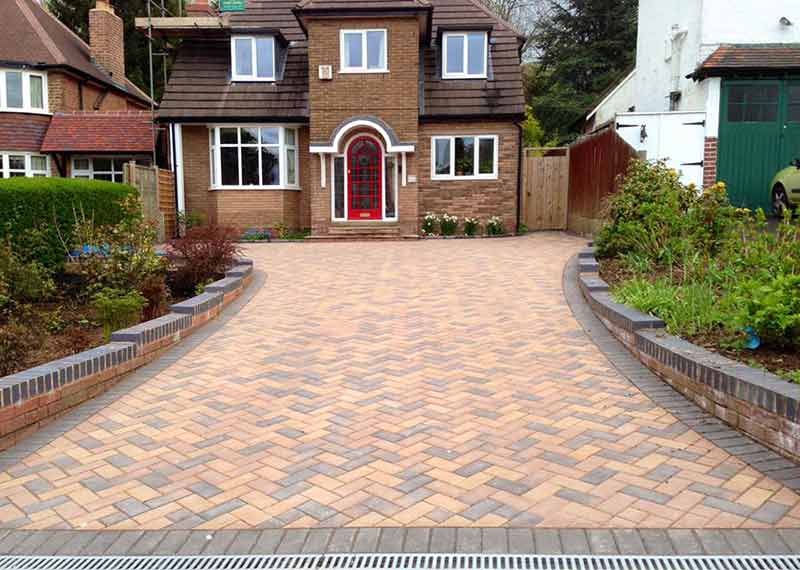
Professionals with expertise in this area can offer knowledge on various aspects, including legal requirements for obtaining planning permission.
Here are some key benefits of seeking professional advice:
- Expertise: Professionals have in-depth knowledge about block paving regulations and standards.
- Guidance: They can provide specific recommendations based on the unique characteristics of your property.
- Compliance: Professionals ensure that your driveway project complies with all relevant legal requirements.
- Cost-effectiveness: Their expertise helps avoid potential fines or delays due to non-compliance.
Final thoughts
In conclusion, it is crucial to understand the regulations regarding block paving and planning permission.
Just as a skilled conductor expertly orchestrates a symphony, one must navigate the intricate web of permitted development rules and local council regulations.
By considering factors such as the extent of the work and its impact on surroundings, one can determine whether planning permission is necessary.
Seeking professional advice ensures compliance with legal requirements, ensuring a harmonious result that blends seamlessly into the urban landscape.
Contact us today on 07595 510190 to receive a free quote for your Dropped Kerb, Tarmac, Resin, Concrete or Block driveway project or visit our website.
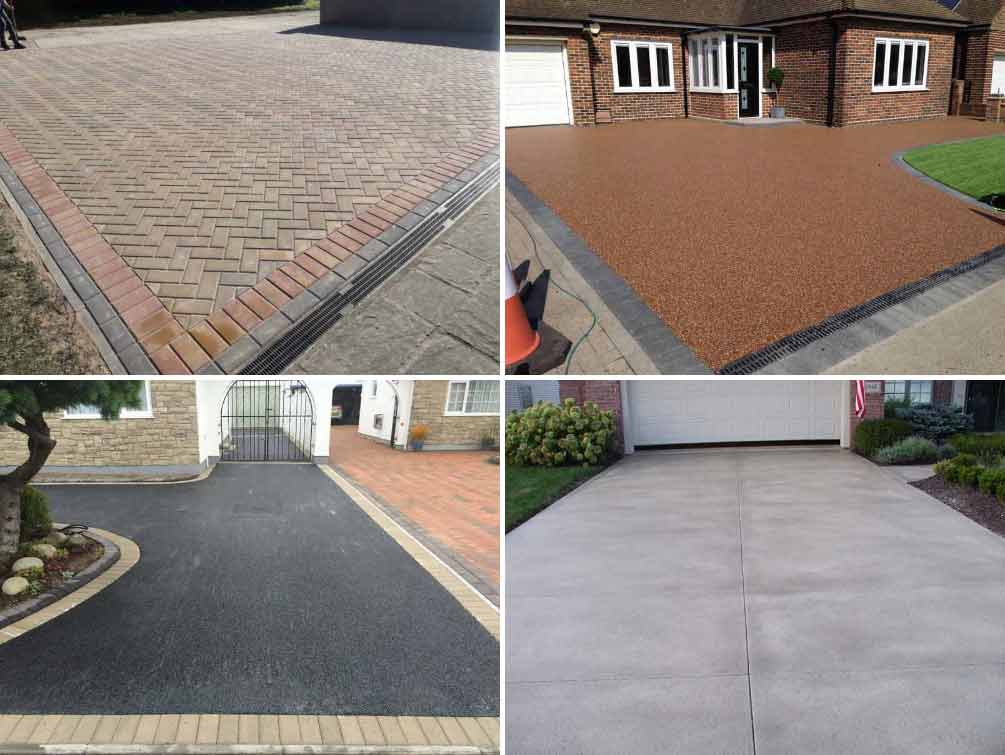
Block paving is a popular choice for driveways due to its versatility and visual appeal. Compared to other materials like Read more
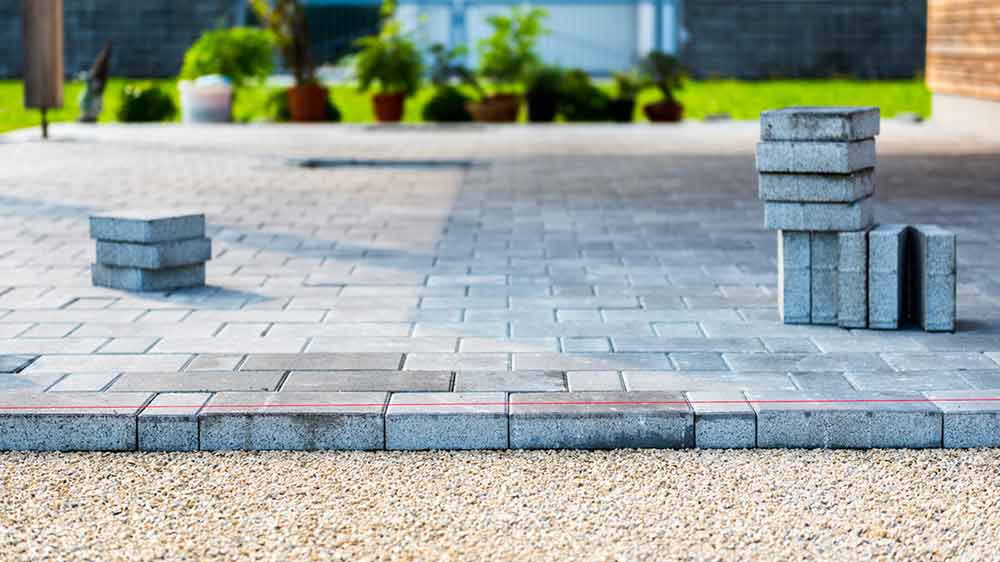
When considering the task of laying block paving, individuals may question their capability to undertake this endeavour independently. This article Read more

When it comes to block paving, a concrete base is essential for providing stability and preventing sinking or movement. Block paving Mansfield, located Read more