
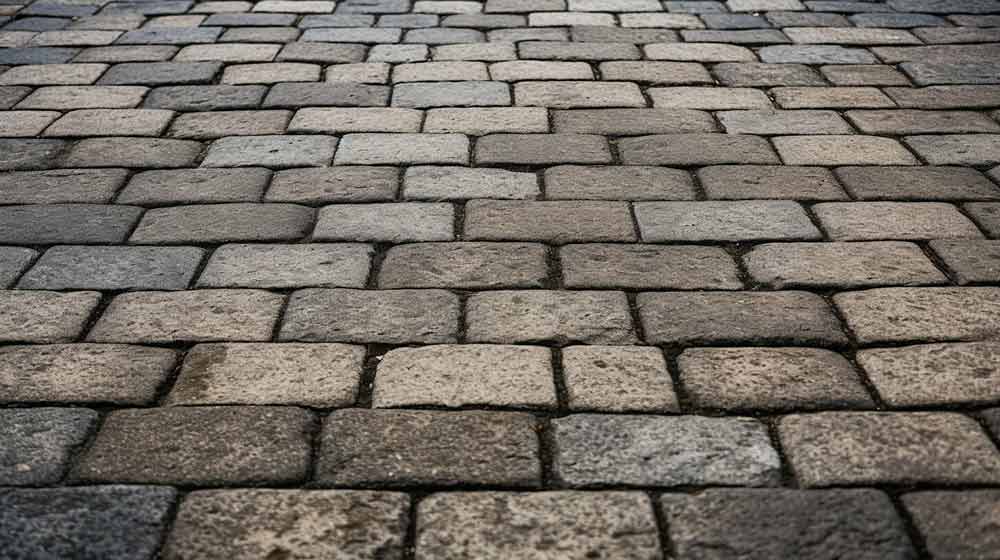
When it comes to block paving, a concrete base is essential for providing stability and preventing sinking or movement. Block paving Mansfield, located at blockpaving-mansfield.co.uk, understands the importance of a solid foundation when installing block paving driveways or paths. Without a concrete base, the block paving can become uneven and prone to damage over time.
The process of laying block paving involves several steps to ensure a durable and well-designed final result. Excavation is the first step, followed by the installation of edge restraints to maintain the shape of the area. A sub-base is then created using hardcore aggregate, providing a stable foundation for the paving blocks.
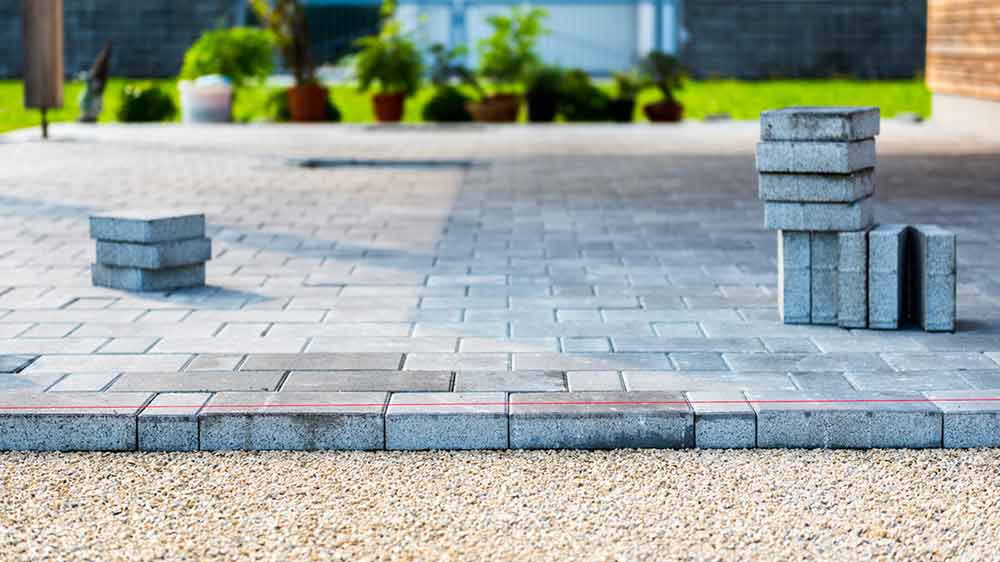
Once the sub-base is in place, sand is laid and screeded to create a level surface. The pavers are then carefully laid on top of the sand, taking care to achieve the desired pattern or design. After the blocks are in place, they are compacted to ensure they are firmly set.
To finish the installation, kiln-dried sand is brushed into the joints between the blocks. This helps to lock them together and prevent movement. The result is a visually appealing and long-lasting block paving driveway or pathway.
It is crucial to choose a reputable block paving supplier for quality materials and professional installation. Block paving suppliers can offer a range of patterns and styles to suit any aesthetic preference. Additionally, they can provide guidance on the most suitable block paving options for driveways or garden paths.
When considering the cost of block paving, it is important to factor in the benefits of durability and aesthetic appeal. Though the initial investment may be higher than other driveway options, block paving offers a long-lasting solution that adds value to the property.
So, if you’re in the market for a new driveway or garden path, remember that a concrete base is crucial for stable and durable block paving.
Contact Block Paving Mansfield for expert advice and high-quality materials that will transform your outdoor space.
The Process of Laying Block Paving
The process of laying block paving involves several important steps to ensure a solid foundation and a visually appealing finish. It begins with excavation, where the existing surface is removed to create space for the new driveway or path. Once the area is cleared, edge restraints are installed to keep the paving blocks in place.
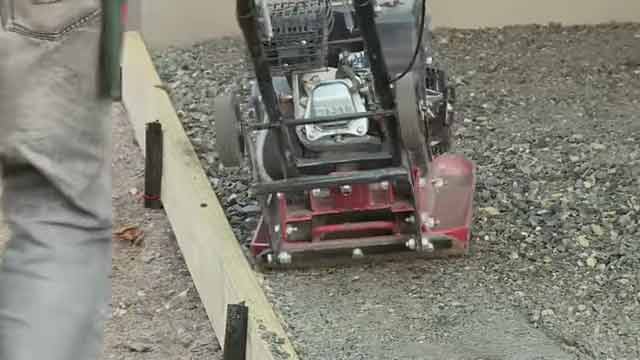
Next, a sub-base is created using hardcore aggregate, which provides stability and prevents sinking or movement. This layer is compacted to ensure a solid base for the paving blocks. Once the sub-base is in place, a layer of sand is spread and screeded to create a level surface for the pavers.
Now comes the exciting part – laying the pavers! They are carefully placed on top of the sand, following the desired pattern or design. It’s important to take time with this step to ensure accuracy and precision. Once all the pavers are in place, they are compacted using a plate compactor to ensure a tight fit and minimize the risk of movement.
To finish off the block paving installation, kiln-dried sand is brushed into the joints between the pavers. This helps to stabilize the blocks and prevent weed growth. After a final compaction, any excess sand is swept away, leaving a clean and polished look.
| Important Steps in Laying Block Paving | Benefits |
|---|---|
| Excavation and removal of existing surface | Creates space for new driveway or path |
| Installation of edge restraints | Keeps paving blocks in place |
| Creation of sub-base using hardcore aggregate | Provides stability and prevents sinking or movement |
| Laying and screeding sand | Creates a level surface for the pavers |
| Placement and compaction of paving blocks | Ensures tight fit and minimizes movement |
| Brushing kiln-dried sand into joints | Stabilizes blocks and prevents weed growth |
The process of laying block paving requires attention to detail and expertise to achieve a durable and visually appealing result. By following these steps, you can create a stunning driveway or path that enhances the overall look of your property. For professional block paving services in Mansfield, visit Block Paving Mansfield.
Conclusion
In summary, a concrete base is essential for block paving to maintain its stability and durability over time. When it comes to block paving, quality is key. Without a solid foundation, the blocks can shift, sink, or become uneven, leading to potential hazards and costly repairs. That’s why it is crucial to invest in a concrete base that provides a solid and level surface for the block paving.
The process of laying block paving involves several important steps. First, excavation is carried out to prepare the area and achieve the desired depth. Edge restraints are then installed to keep the blocks in place. A sub-base is created using hardcore aggregate, which acts as a stable layer to support the weight of the paving.
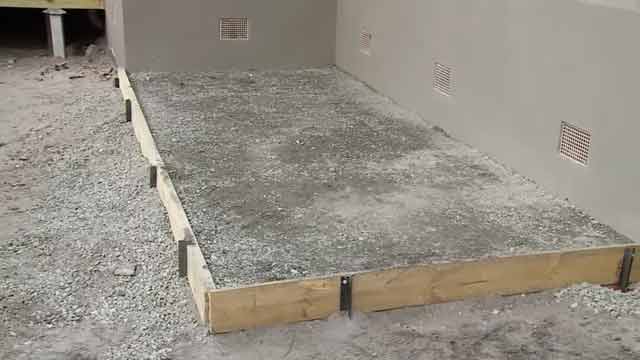
This sub-base is carefully leveled and compacted to ensure a solid foundation.
Once the sub-base is in place, a layer of sand is spread and screeded to provide a smooth surface for the pavers.
The blocks are carefully laid on top of the sand, ensuring a uniform pattern or design.
After laying, the pavers are compacted to ensure they are tightly interlocked and secure.
Finally, kiln-dried sand is brushed into the joints between the blocks, providing stability and preventing weed growth.
By following these steps and ensuring the use of a concrete base, block paving can offer a visually appealing and durable solution for driveways, patios, or paths. It not only enhances the aesthetic appeal of your property but also provides a functional and long-lasting surface. So, whether you’re considering block paving for your home or commercial property, remember the importance of a concrete base to ensure a reliable and trustworthy end result.
Contact us today on 07595 510190 to receive a free quote for your Dropped Kerb, Tarmac, Resin, Concrete or Block driveway project or visit our website.
Source Links
- https://www.pavingdirect.com/info/how-to-lay-driveway-block-paving/
- https://www.homelogic.co.uk/brick-pavers-over-concrete-driveway
- https://www.marshalls.co.uk/gardens-and-driveways/blog/how-to-lay-block-paving
Block paving is a popular choice for driveways due to its versatility and visual appeal. Compared to other materials like Read more
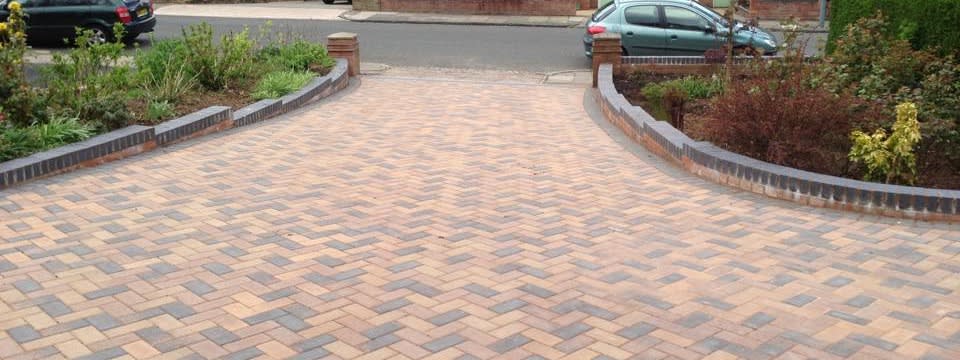
Block paving has become a popular choice for homeowners looking to enhance the aesthetics and functionality of their outdoor spaces. Read more
When considering the task of laying block paving, individuals may question their capability to undertake this endeavour independently. This article Read more