
When considering the task of laying block paving, individuals may question their capability to undertake this endeavour independently.
This article aims to provide an informative and authoritative overview on whether it is feasible for one to lay block paving without professional assistance.
By analysing the necessary skills, tools, materials, and proper preparation techniques involved in the process, readers will gain a comprehensive understanding of the complexities and requirements associated with self-laying block paving.
Assessing Your Skills and Abilities
Assessing one’s skills and abilities is crucial when considering the possibility of laying block paving oneself. Evaluating limitations in terms of knowledge, experience, and physical capabilities is essential to determine whether undertaking this task independently is feasible.
Block paving requires precision and attention to detail, as well as a good understanding of the necessary tools and techniques.
It involves tasks such as excavation, levelling, compacting, and laying the blocks accurately.
If one lacks the necessary skills or feels unsure about their ability to execute these tasks proficiently, seeking professional help may be advisable.
Professional pavers have extensive experience in block paving and can ensure high-quality results while minimising potential mistakes or damage.
They possess the expertise required to tackle complex situations effectively and efficiently.
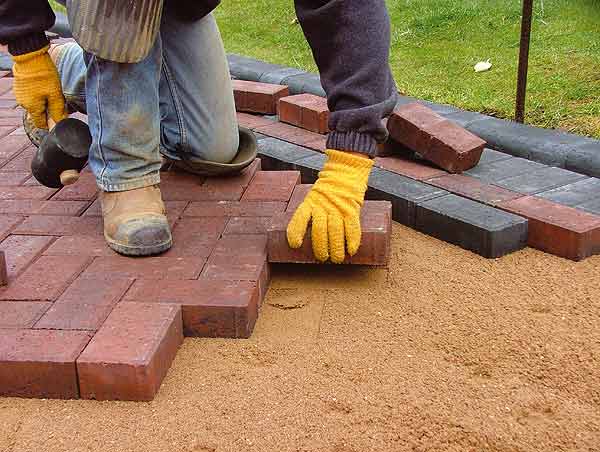
Gathering the Necessary Tools and Materials
To complete the task at hand, it is essential to collect all the required equipment and supplies.
When choosing the right block paving design, it is important to consider various factors such as the overall aesthetic appeal, durability, and maintenance requirements.
Selecting the best type of block paving stones involves considering their material composition, size, shape, and colour options.
Concrete pavers are commonly used due to their affordability and versatility in design options. They can be found in various sizes and shapes like rectangular or interlocking patterns.
Alternatively, clay brick pavers offer a more traditional look with their warm colours and natural textures.
Other options include natural stone pavers like granite or limestone that provide a high-end appearance but tend to be more expensive.
Careful consideration of these factors will ensure the selection of an appropriate block paving design and stones for successful installation.
Preparing the Area for Block Paving
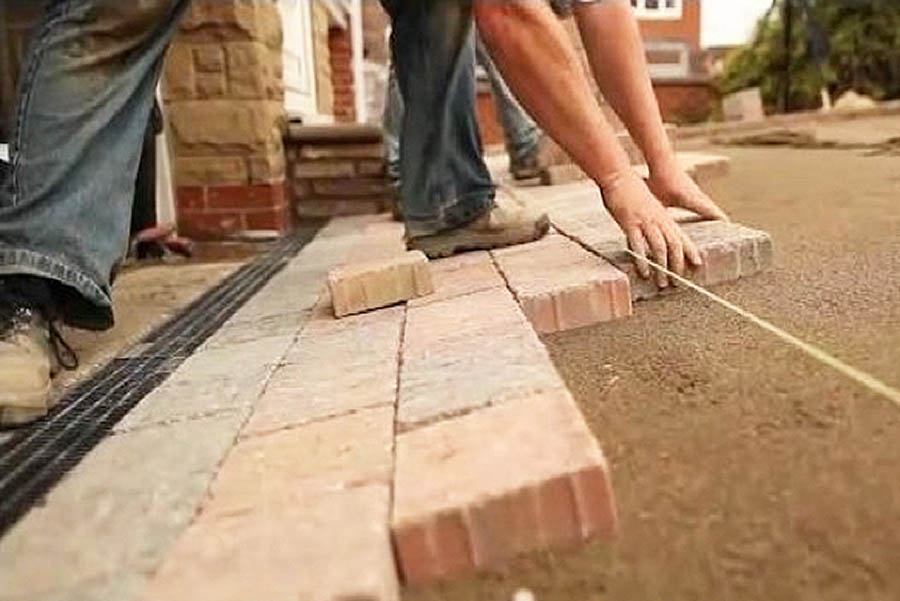
The first step in preparing the area for block paving involves clearing away any debris or vegetation.
This is crucial to ensure a clean and stable foundation for the paving blocks.
To effectively clear the area, follow these steps:
– Measuring and marking the area accurately:
- Use measuring tools such as a tape measure or laser level to determine the dimensions of the intended paved area.
- Mark out the boundaries of the area using stakes and string, ensuring straight lines and correct angles.
– Clearing the area of any existing vegetation or debris:
- Remove any plants, grass, or weeds by digging them out or using herbicides if necessary.
- Rake away any loose soil, stones, leaves, or other debris from the surface.
- Use a power washer to remove stubborn stains or dirt.
Step-by-Step Process of Laying Block Paving
One important step in the process of laying block paving involves properly preparing the ground surface. This ensures a stable and durable foundation for the paving blocks. Before starting the installation, it is essential to choose the right type of block paving for your project. Factors such as colour, shape, size, and material should be considered based on aesthetic preferences and functional requirements.
To help you make an informed decision, here is a table showcasing different types of block paving:
| Type | Material | Benefits |
|---|---|---|
| Concrete | Sturdy | Durable and low-maintenance |
| Clay | Natural | Classic and timeless |
| Porcelain | Versatile | Resistant to stains |
| Granite | Elegant | Hard-wearing |
| Permeable | Environmentally-friendly | Reduces surface water runoff |
In addition to choosing the right type of block paving, it is crucial to avoid common mistakes during installation. Some common errors include inadequate compaction of the base, improper alignment or spacing between blocks, insufficient edge restraints, and neglecting proper drainage. By avoiding these mistakes and following a systematic approach during installation, you can achieve a successful outcome for your block paving project.
Contact us today on 07595 510190 to receive a free quote for your Dropped Kerb, Tarmac, Resin, Concrete or Block driveway project or visit our website.
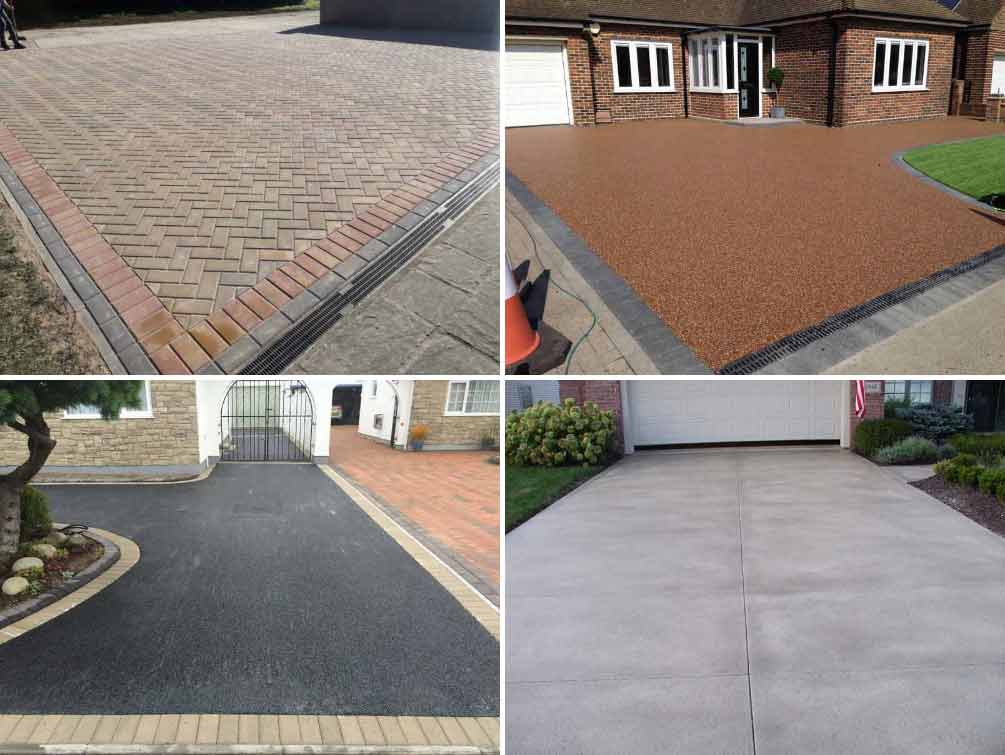
Block paving is a popular choice for driveways due to its versatility and visual appeal. Compared to other materials like Read more
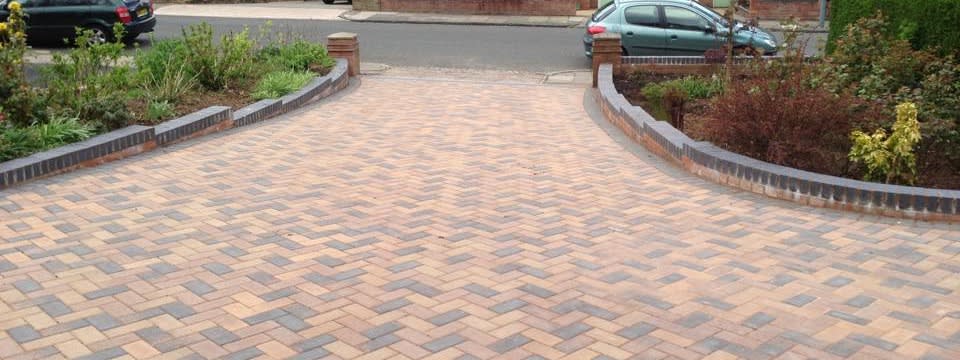
Block paving has become a popular choice for homeowners looking to enhance the aesthetics and functionality of their outdoor spaces. Read more
When it comes to block paving, a concrete base is essential for providing stability and preventing sinking or movement. Block paving Mansfield, located Read more