
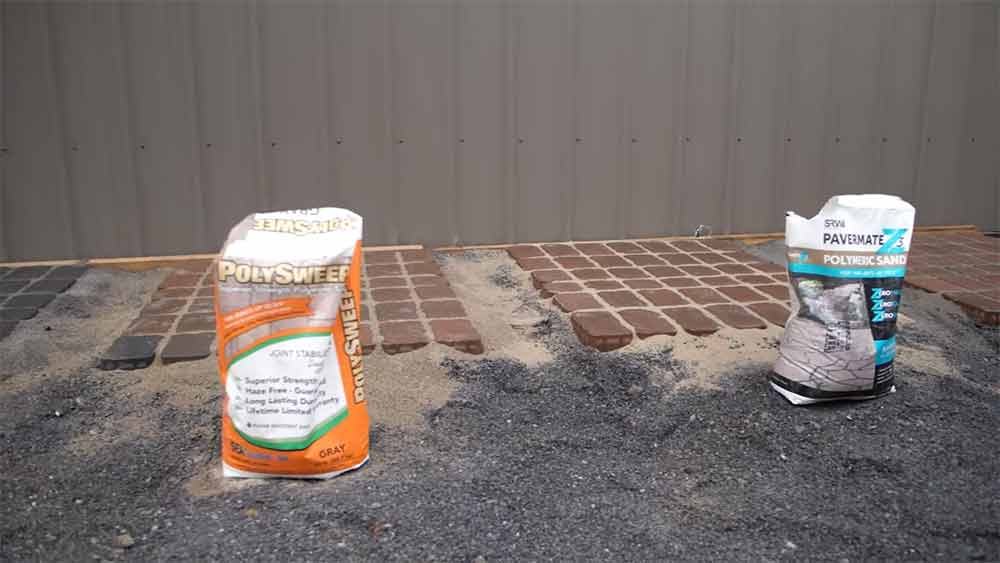
When it comes to block paving and driveway paving projects, choosing the right type of sand is crucial. Two popular options for creating a stable and level surface are paving sand and leveling sand. But are they the same?
Let’s explore the differences and similarities between the two and see which one is more suitable for your block paving needs.
Paving sand, also known as leveling, all-purpose, or paving sand, is a coarse-grained material commonly used for creating a thick bedding for laying pavers. It provides a stable and level surface, protecting the pavers from weather changes. Paving sand can also be used to fill the gaps between the pavers, and applying a sealer on top can harden the surface and prevent stains.
On the other hand, there is an alternative option called polymeric sand. This man-made product consists of fine sand particles and binding agents. When activated by water, it forms a hard, resistant gel that provides a strong bond between the pavers. Polymeric sand is particularly suitable for wet or windy areas and is available in a range of colours to match the design of the patio or walkway.
The choice between paving sand and polymeric sand depends on factors such as personal preference, specific project requirements, and the desired appearance and durability of the paver surface. To make an informed decision, it is essential to consider the benefits and functionalities of each option.
The Benefits of Polymeric Sand
Polymeric sand offers several advantages over regular sand for hardscaping projects. Its unique properties make it an excellent choice for achieving a durable finish, reliable bonding, longer life expectancy, weed growth prevention, insect infestation prevention, better drainage, and superior aesthetics.
One of the key benefits of polymeric sand is its easy and quick application. Unlike regular sand, which may require additional tools and efforts to achieve a level surface, polymeric sand can be applied directly and effortlessly between the pavers.
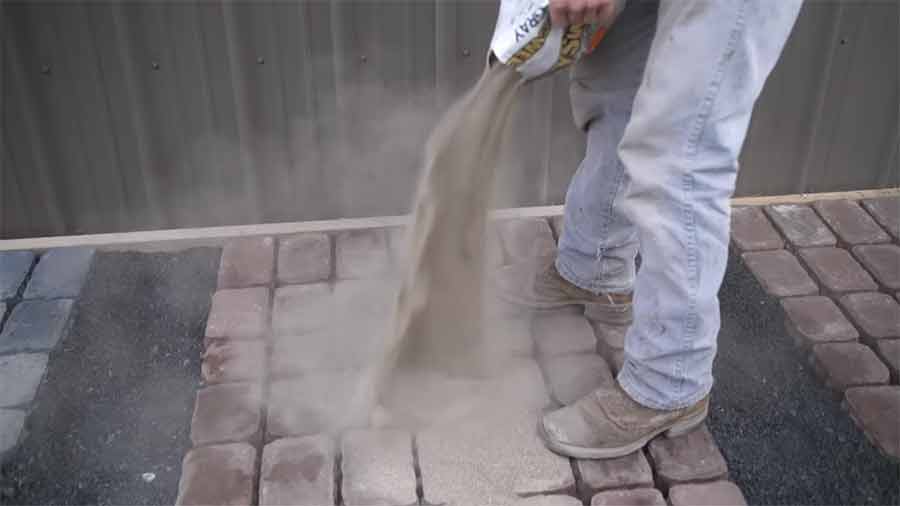
The reliable bonding provided by polymeric sand creates a stronger and more stable surface. It forms a tight and cohesive bond, reducing the chances of paver movement or shifting over time, even with heavy foot traffic or environmental factors.
Polymeric sand also boasts a longer life expectancy compared to regular sand. Its durable composition and resistance to erosion ensure that the pavers remain firmly in place for an extended period, requiring less frequent maintenance or repairs.
Furthermore, polymeric sand acts as a barrier against weed growth and insect infestation. The fine particles and binding agents create an inhospitable environment for weeds and pests, minimising the need for additional treatments or interventions.
In terms of drainage, polymeric sand offers better water management than regular sand. Its composition allows for enhanced water permeability, preventing water from pooling or accumulating and promoting efficient drainage during heavy rainfall or storms.
With its range of colours, polymeric sand adds a touch of aesthetic appeal to any hardscaping project. Whether you’re creating a patio, walkway, or driveway, polymeric sand can be customised to match the design and complement the overall visual appeal of the area.
Overall, polymeric sand outshines regular sand when it comes to durability, reliability, longevity, weed prevention, insect infestation prevention, drainage, and aesthetics. It offers a superior solution for creating a visually pleasing and long-lasting hardscape.
| Benefits of Polymeric Sand |
|---|
| Durable finish |
| Reliable bonding |
| Longer life expectancy |
| Weed growth prevention |
| Insect infestation prevention |
| Better drainage |
| Superior aesthetics |
Choosing Between Regular Sand and Polymeric Sand
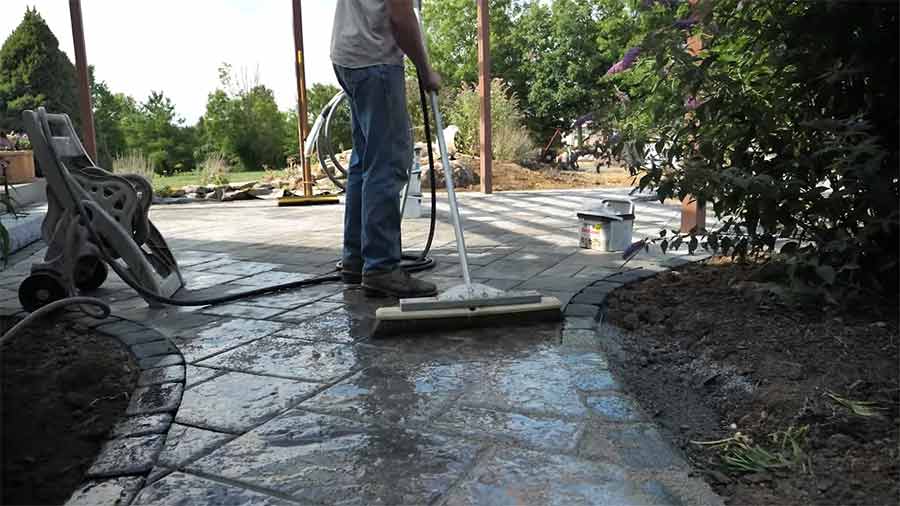
The choice between regular sand and polymeric sand depends on various factors, including personal preference, the type of hardscaping project, and the desired outcome.
Regular sand is often a budget-friendly option for homeowners. It is easy to use and more affordable than polymeric sand.
Regular sand is particularly suitable for creating a leveled base during paver installation and provides even distribution, making adjustments easier if needed. This allows homeowners to have more control over the final result of their project.
Regular sand also offers the advantage of being non-permanent, meaning it can be easily removed and replaced for further adjustments or changes to the paver layout. This flexibility makes regular sand a popular choice among homeowners who prioritise easy adjustments and cost-effectiveness.
On the other hand, polymeric sand offers a more durable solution for filling in the gaps between pavers. It provides a stronger bond, preventing weed growth and insect infestation, resulting in a low-maintenance surface. Polymeric sand also offers a cleaner and more uniform look compared to regular sand. Additionally, it comes in a range of colour options, allowing homeowners to match the sand colour with the overall design of their project, enhancing the aesthetics of their outdoor space.
Ultimately, the choice between regular sand and polymeric sand depends on the specific requirements and preferences of the homeowner. Budget-conscious homeowners who prioritise flexibility and easy adjustments may lean towards using regular sand. Alternatively, homeowners seeking enhanced durability and superior aesthetics may opt for polymeric sand for a more refined and long-lasting finish.
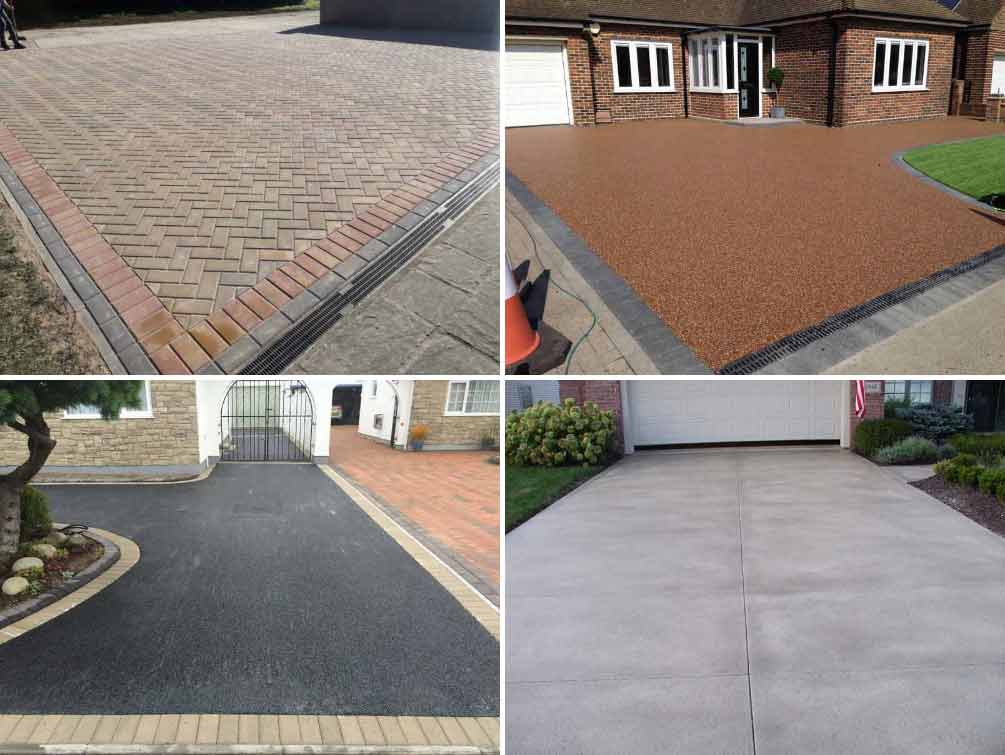
Contact us today on 07595 510190 to receive a free quote for your Dropped Kerb, Tarmac, Resin, Concrete or Block driveway project or visit our website.
Source Links
- https://www.housedigest.com/464455/
what-is-the-difference-between-
paver-sand-and-polymeric-sand/ - https://www.northvalleystonesupply.com/
blog/polymeric-sand-vs-regular-sand
-understanding-the-difference - https://hiltonlandscapesupply.com/
what-kind-of-sand-is-best-for-your-project/
Block paving is a popular choice for driveways due to its versatility and visual appeal. Compared to other materials like Read more
Block paving has become a popular choice for homeowners looking to enhance the aesthetics and functionality of their outdoor spaces. Read more
When considering the task of laying block paving, individuals may question their capability to undertake this endeavour independently. This article Read more