
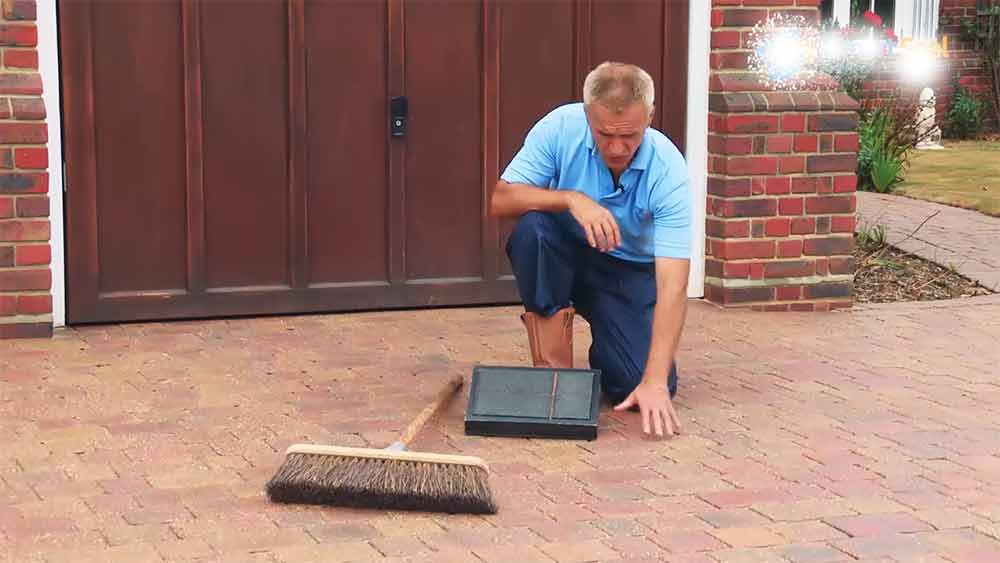
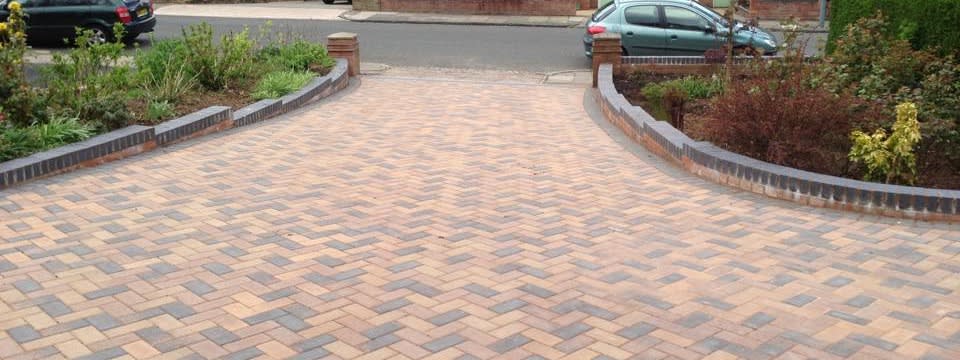
Block paving is a popular choice for driveways, walkways, and patios due to its durability and aesthetic appeal. However, it is important to understand the maintenance requirements associated with block paving. Regular cleaning and maintenance can help keep block paving looking its best and extend its lifespan.
Stains caused by algae, oil, or moss can be easily removed with proper cleaning techniques and the application of a sealant. Additionally, gaps in the block paving can be easily fixed by reinstating sand between the bricks. Weeds should be removed promptly to prevent them from damaging the paving.
Regular maintenance, including cleaning, weed removal, and resealing, can help ensure that block paving stays in good condition for many years. If you’re looking for expert block paving services in Mansfield, visit Block Paving Mansfield. They offer top-notch block paving solutions at affordable prices, ensuring your driveways, walkways, and patios remain in pristine condition.
The Importance of Regular Cleaning
Regular cleaning is essential for maintaining the appearance and longevity of block paving. Sweeping the surface with a stiff broom can help remove dirt and debris. Deep cleaning can be done using soapy water and a brush to scrub away stains, moss, and algae.
It is important to avoid using acid-based cleaners, as they can damage certain types of block paving, such as limestone and marble. Instead, opt for biodegradable paving cleaners that are specifically formulated for use on block paving. Regular cleaning not only keeps the surface looking clean and fresh but also prevents the growth of weeds and moss.
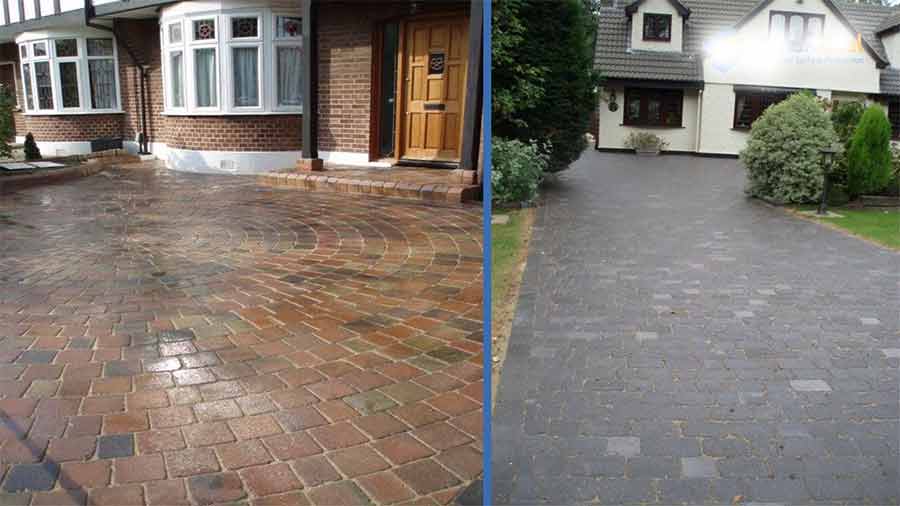
When cleaning your block paving, follow these steps:
- Start by sweeping the surface with a stiff broom to remove loose dirt and debris.
- Mix soapy water and use a brush to scrub away stains, moss, and algae. Rinse with clean water.
- Avoid using acid-based cleaners, as they can damage certain types of block paving.
- Use biodegradable paving cleaners that are specifically formulated for use on block paving.
- Regularly clean the block paving to prevent the growth of weeds and moss.
By following these cleaning tips, you can ensure that your block paving stays in great condition and retains its attractive appearance for years to come.
Weed Removal and Prevention
Weeds can be a common issue with block paving, as they tend to grow between the gaps. Promptly removing weeds is important to prevent them from damaging the block paving and causing movement. Weeds can be pulled out by hand or treated with a weed killer specifically formulated for block paving. It is important to follow the instructions on the weed killer carefully to ensure safe and effective use.
Once weeds have been removed, a fungicidal wash can be applied to prevent their regrowth. This wash helps eliminate any remaining weed seeds or spores, reducing the chances of new weeds sprouting up. Regularly brushing and trafficking the block paving can also help prevent weeds from re-colonising the surface.
Weed Removal Methods
There are two common methods for removing weeds from block paving:
- Hand-Pulling: This method involves manually pulling out the weeds from the gaps in the block paving. It’s important to grasp the weed as close to the root as possible to ensure complete removal. This method is best suited for small areas or when dealing with a few isolated weeds.
- Weed Killer: Using a weed killer specifically designed for block paving can be an effective way to eliminate weeds. These weed killers are formulated to target and kill weeds while being safe for use on block paving surfaces. Follow the instructions on the product for proper application and safety precautions.
Note: Using a combination of hand-pulling and weed killer may be necessary for stubborn or extensive weed infestations. Always read and follow the instructions provided by the manufacturer.
Fungicidal Wash for Weed Prevention
Once the weeds have been removed, applying a fungicidal wash can help prevent their regrowth. The fungicidal wash targets any remaining weed seeds or spores, minimising the chances of new weeds sprouting up.
Here’s a simple recipe for a homemade fungicidal wash:
| Ingredients | Instructions |
|---|---|
| 1 part bleach 10 parts water | Mix the bleach and water in a clean container. Apply the solution to the block paving using a garden sprayer or watering can. Ensure thorough coverage, paying particular attention to the gaps between the blocks. Allow the solution to sit for 15-20 minutes. Rinse the block paving with clean water. |
Note: Before using any homemade or commercially available fungicidal wash, test it on a small, inconspicuous area of your block paving to ensure it does not cause any discoloration or damage.
Regular maintenance, including weed removal and the application of a fungicidal wash, can greatly reduce the growth of weeds and help keep your block paving looking its best for years to come.
Conclusion
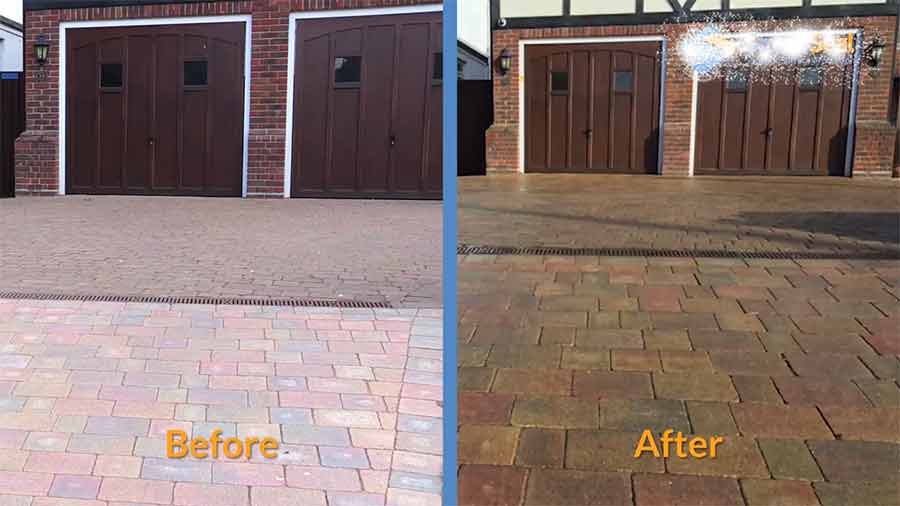
Proper maintenance is crucial for ensuring the longevity and appearance of your block paving.
By prioritising regular cleaning, weed removal, and resealing, you can keep your block paving in excellent condition for years to come.
When it comes to maintenance, it’s important to rely on the expertise of a reputable block paving contractor. A professional contractor, like Block Paving Mansfield (https://blockpaving-mansfield.co.uk/), can provide quality workmanship and materials, ensuring that your block paving receives the care it deserves.
By investing in block paving care and following these maintenance tips, homeowners can enjoy the long-term beauty and durability of their block paving driveways, walkways, and patios. Don’t let neglect undermine the value and appeal of your block paving – prioritise its maintenance and reap the benefits for years to come!
Contact us today on 07595 510190 to receive a free quote for your Dropped Kerb, Tarmac, Resin, Concrete or Block driveway project or visit our website.
Source Links
- https://www.pavingexpert.com/maintain_02
- https://www.rgbconstruction.info/post/
a-guide-to-maintaining-a-block-paving-driveway - https://www.centralpaving.co.uk/
how-to-look-after-your-block-paving-driveway/
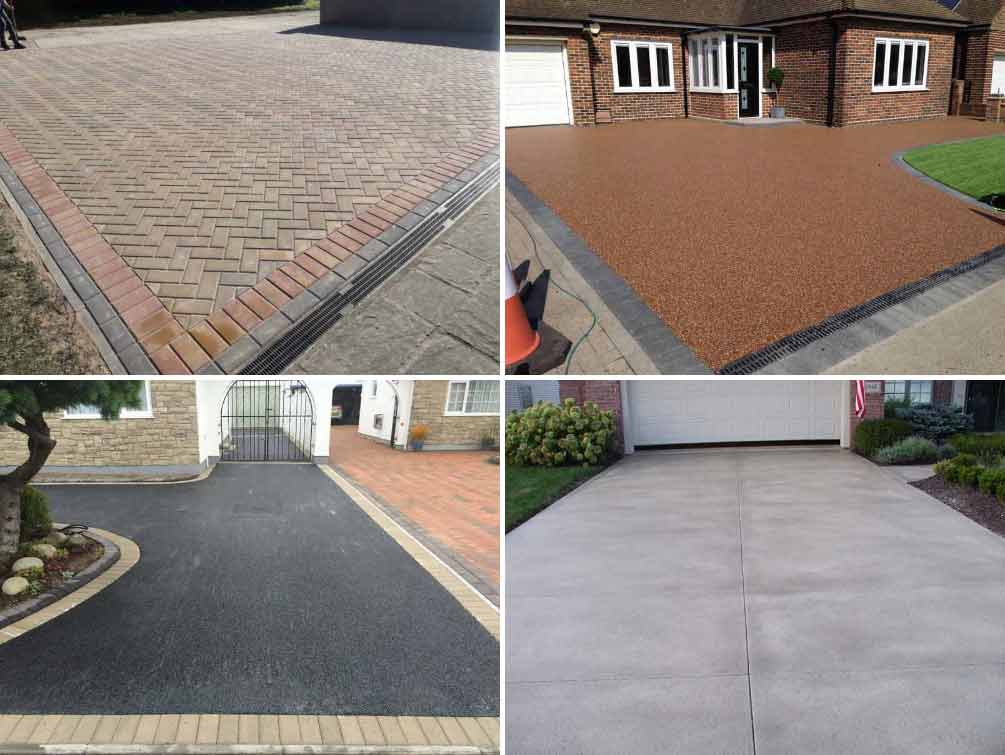
Block paving is a popular choice for driveways due to its versatility and visual appeal. Compared to other materials like Read more
Block paving has become a popular choice for homeowners looking to enhance the aesthetics and functionality of their outdoor spaces. Read more
When considering the task of laying block paving, individuals may question their capability to undertake this endeavour independently. This article Read more