
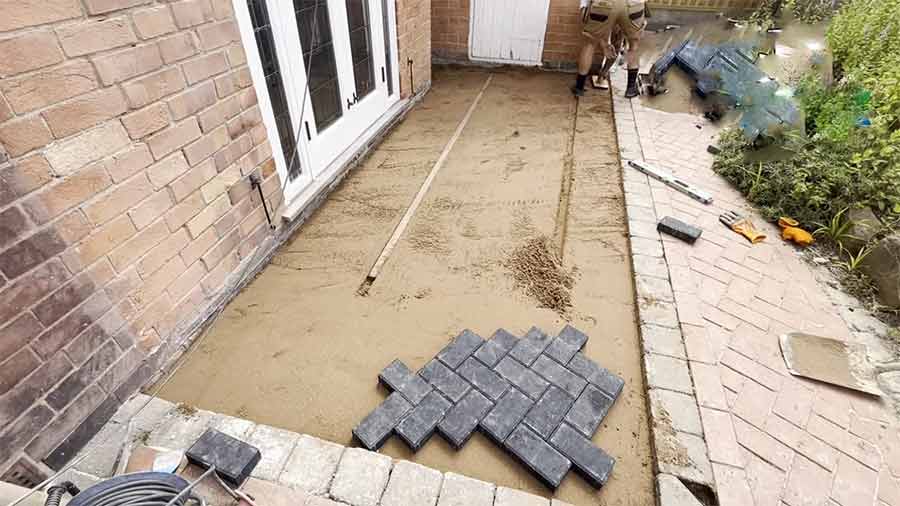
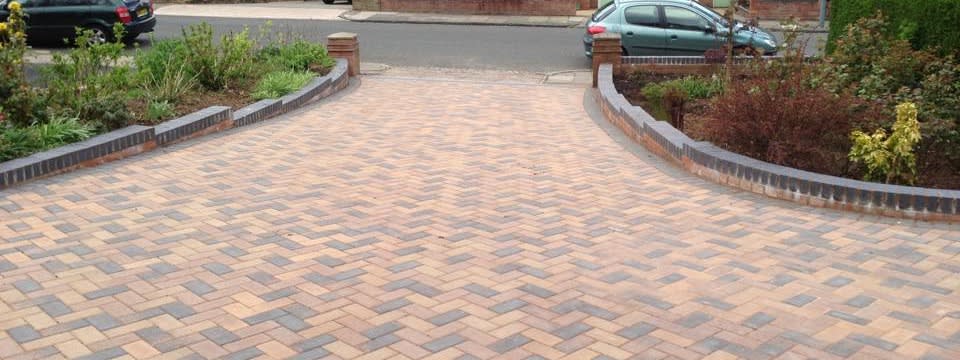
Block paving is a popular choice for updating driveways and outdoor areas. It is durable, easy to maintain, and offers countless design options. If you’re considering block paving for your project, you might be wondering how long it takes to complete. Well, the answer depends on a few factors.
On average, it takes about a week to complete a block paving project. However, this timeframe can be split over two or three weekends, depending on the size of the area and other factors like weather conditions. It’s important to remember that each project is unique, and the expertise of the paving contractors also plays a role in the overall timeline.
When it comes to the cost, materials for block paving range from £18 to £28 per m². Additionally, you may need to consider expenses like skip hire for waste removal.
Planning permission is usually not required for block paving, especially if you use permeable paving or direct surface water to a flowerbed or ground drain. However, it’s important to check if consent is needed for directing surface water to storm drains in the road.
Block paving is a versatile and durable option for driveways and outdoor spaces. With proper planning and the right experts, you can achieve a visually appealing and long-lasting result.
Factors That Affect the Duration of Block Paving
When planning a block paving project, it’s important to consider several factors that can influence the duration of the project. By understanding these factors, you can better estimate the time required and ensure a smooth and efficient process.
Paving Area
The size of the paving area is a significant factor that can affect the duration of the project. Larger areas will naturally require more time to complete, as there will be more ground to excavate, more materials to lay, and more pavers to position. It’s essential to accurately measure the area and factor in any additional time needed for larger projects.
Weather Conditions
Weather conditions can also play a role in the duration of a block paving project. Rain, in particular, can be a factor that delays certain aspects of the project, such as sand screeding and joint filling. It’s crucial to monitor the weather forecast and plan the project accordingly to avoid unnecessary delays.
Ground Condition and Access to the Site
The state of the ground and the access to the site can also affect the efficiency of the work. If machinery cannot be brought to the site, manual excavation may be required, which can significantly extend the project duration. It’s important to assess the ground condition and plan for any necessary equipment or additional labor that may be needed.
Laying Pattern and Manhole Covers
The chosen laying pattern and the inclusion of manhole covers can add complexity and time to the project.
Intricate patterns or the need to work around existing features like manhole covers can slow down the process.
It’s advisable to discuss these considerations with your paving contractor and choose a laying pattern and design that aligns with your desired aesthetic while considering the time implications.
By taking these factors into account, you can better understand the duration of a block paving project and plan accordingly. It’s always recommended to consult with experienced paving contractors who can provide personalised advice based on your specific project requirements.
| Factor | Impact on Duration |
|---|---|
| Paving Area | Large areas require more time for excavation, material laying, and paver positioning. |
| Weather Conditions | Rain can delay certain aspects of the project, such as sand screeding and joint filling. |
| Ground Condition and Access to the Site | If machinery cannot be used, manual excavation can extend the project duration. |
| Laying Pattern and Manhole Covers | Intricate patterns and working around manhole covers can add complexity and time to the project. |
Step-by-Step Guide to Laying Block Paving
Create an image of a block paving process in progress, portraying the various steps being taken to lay the blocks. The image should feature a range of tools and materials being used, such as a trowel, sand, and a level. The focus should be on the precision and attention to detail required for the job, with an emphasis on the gradual build-up of the paving. Colours should be earthy and natural, with a sense of texture and depth in the blocks themselves. The finished result should feel solid and enduring, with a satisfying sense of completion.
When it comes to laying block paving, following a step-by-step guide ensures a successful and professional-looking result. Here is a detailed breakdown of the process:
Gather the Necessary Tools and Materials
Before you begin, make sure you have all the tools and materials required for the project. You will need a range of equipment, including a broom, rake, string line, pegs, screed rails, shovel, spade, spirit level, tape measure, mallet, and wheelbarrow. Depending on the scale of your project, additional tools such as a cement mixer, compacting tool, stone saw, or block splitter may be necessary. As for materials, you will need block pavers, kiln-dried sand for joint filling, and a sub-base material like MOT Type 1 hardcore aggregate.
Excavation and Edge Restraints
The first step in laying block paving is to excavate the area to the required depth. This will ensure a stable foundation for your paving. Once the area is excavated, install edge restraints to define the boundaries of the paving and prevent shifting or spreading over time. These restraints can be made of different materials, such as timber or concrete, and should be securely fixed into the ground.
Laying the Sub-Base and Screeding
Next, lay the sub-base material and compact it using a plate compactor or vibrating roller. This will provide a solid and stable base for your paving. Once the sub-base is in place, lay a layer of sand and use screed rails to create a level surface. Screeding involves using a straight edge to distribute the sand evenly and remove any excess. This step is crucial for achieving a smooth and professional finish.
Laying the Pavers and Finishing Touches
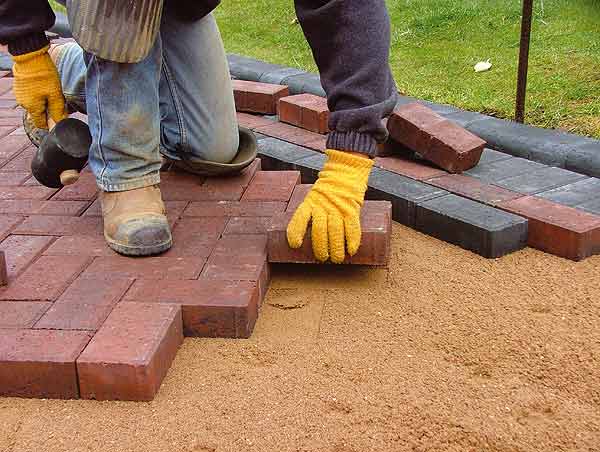
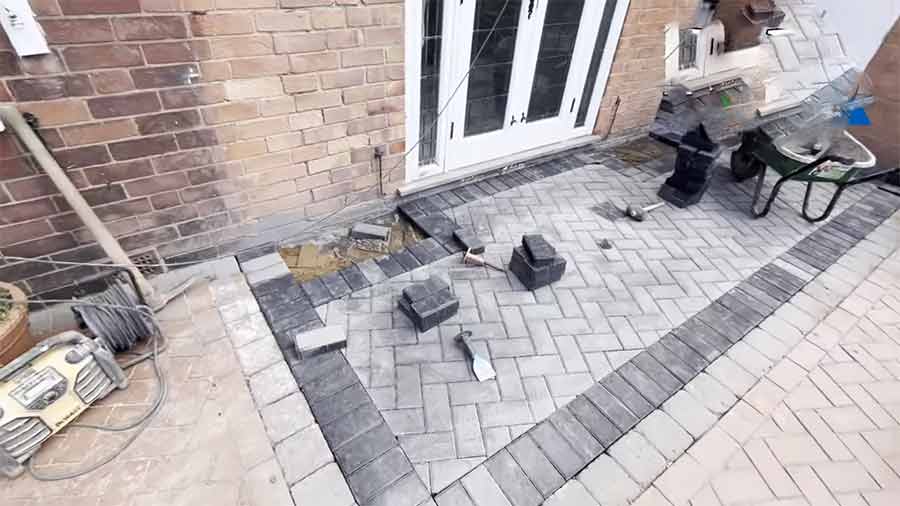
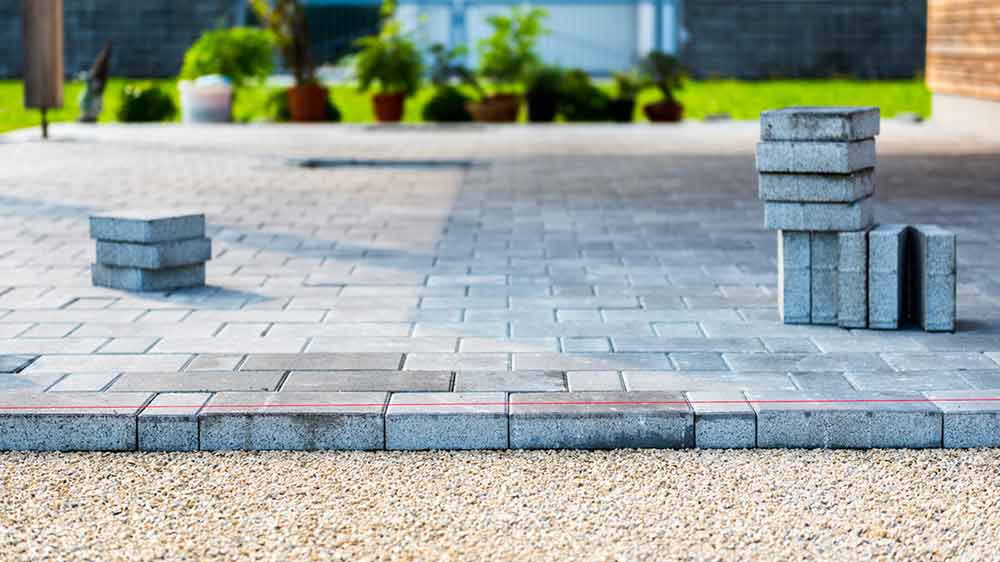
Now it’s time to lay the block pavers. Start from one corner and work your way across, making sure to follow the chosen laying pattern. Use a mallet to tap each paver into place, ensuring they are level and tightly packed together. Once all the pavers are laid, finish the project by brushing kiln-dried sand into the joints. This helps to stabilise the paving and prevents weed growth. Finally, compact the paving with a plate compactor and add more sand if needed to fill any gaps.
| Tools | Materials |
|---|---|
| Broom | Block pavers |
| Rake | Kiln-dried sand |
| String line | MOT Type 1 hardcore aggregate |
| Pegs | Edge restraints |
| Screed rails | |
| Shovel | |
| Spade | |
| Spirit level | |
| Tape measure | |
| Mallet | |
| Wheelbarrow |
Conclusion
Laying block paving is a fantastic way to enhance the appearance and functionality of outdoor areas. Whether you’re looking to update your driveway or create a stunning patio design, block paving offers versatility and durability for both residential and commercial projects. With the right tools, materials, and proper planning, this is a project that can be successfully completed by DIY enthusiasts or entrusted to professional paving contractors.
Understanding the factors that can affect the duration of a block paving project is crucial for accurate time estimation. Weather conditions, site access, and the size of the area are all important considerations. By taking these factors into account, you can effectively plan your project and ensure that it is completed within a reasonable timeframe.
Once your block paving is in place, it’s essential to keep up with regular maintenance to ensure its longevity. This includes cleaning the surface regularly and refilling the joints as necessary. By taking these simple steps, you can enjoy your block paving for years to come.
Block Paving Mansfield is here to help with all of your block paving needs. Whether you’re looking for driveway installation, patio design, or block paving services, our team of paving contractors is ready to assist you. Visit our website at blockpaving-mansfield.co.uk to learn more about our services and get started on your next project.
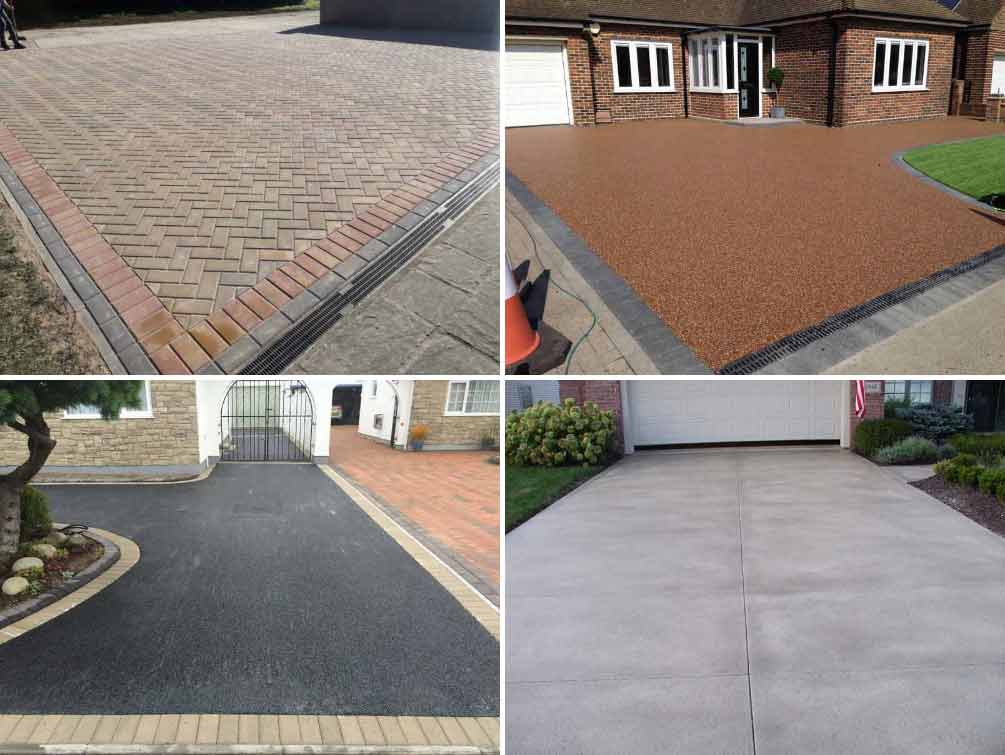
Contact us today on 07595 510190 to receive a free quote for your Dropped Kerb, Tarmac, Resin, Concrete or Block driveway project or visit our website.
Source Links
- https://www.realhomes.com/advice/home-improvement-jobs-you-can-do-block-paving-a-driveway
- https://thinkupgarden.com/how-long-it-takes-to-lay-block-paving/
- https://www.marshalls.co.uk/gardens-and-driveways/blog/how-to-lay-block-paving
Block paving is a popular choice for driveways due to its versatility and visual appeal. Compared to other materials like Read more
Block paving has become a popular choice for homeowners looking to enhance the aesthetics and functionality of their outdoor spaces. Read more
When considering the task of laying block paving, individuals may question their capability to undertake this endeavour independently. This article Read more