
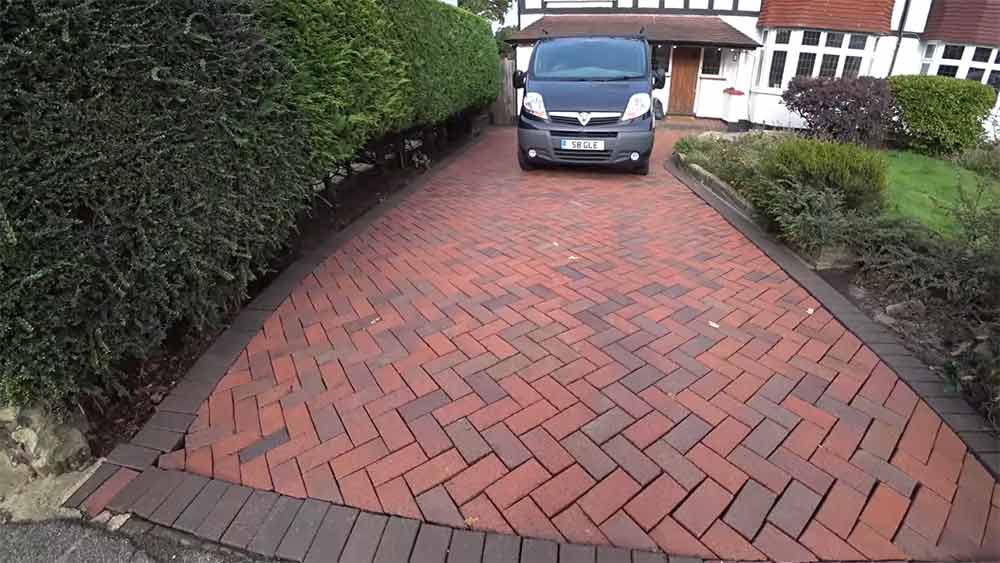
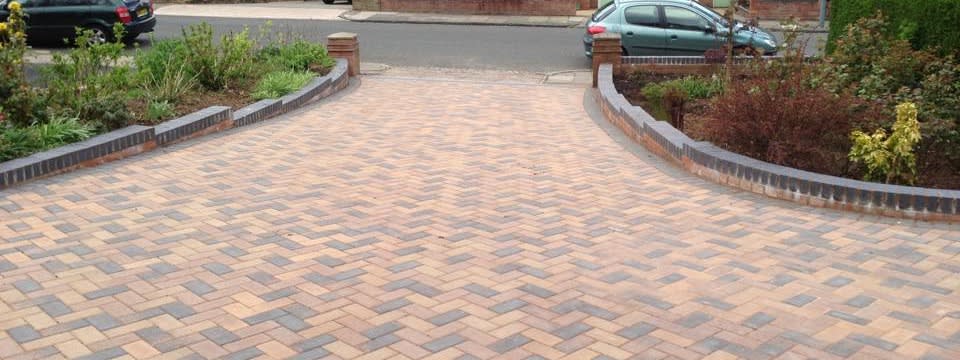
Block paving is a popular choice for driveways and pathways due to its durability and aesthetic appeal. However, over time, block paving can sometimes sink, leading to uneven surfaces and potential trip hazards. But is sinking an inevitable issue with block paving?
At Block Paving Mansfield, we understand the concerns homeowners may have about the longevity of their block paving. That’s why we’re here to provide you with insights into the causes of block paving sinking and offer solutions to ensure the durability and maintenance of your paving.
The sinking of block paving is often attributed to the loss of jointing sand between the paving blocks. This sand acts as a buffer, providing friction and stability to the blocks. Without sufficient sand, the blocks may shift and sink over time. Factors such as heavy vehicles and inadequate installation can also contribute to sinking.
So, what can you do if you’re dealing with sunken block paving? The first step is to address the underlying issue by removing the sunken blocks and adding a new bed of sand to level the area. Then, the blocks can be relaid, and the joints re-sanded to restore the stability and appearance of the paving.
However, prevention is always better than cure. Regular maintenance is essential to prevent block paving sinking and prolong its lifespan. Re-sanding the joints once a year is recommended to maintain stability, and applying a polyurethane sealer can strengthen the bond between the blocks, reducing the risk of sinking.
At Block Paving Mansfield, we are dedicated to providing top-notch block paving services and advice. Our team of experts can help you with the installation, repair, and maintenance of your block paving, ensuring its longevity and aesthetic appeal. Don’t let sinking block paving be a concern – trust us to keep your paving looking pristine for years to come!
Common Causes of Block Paving Sinkage
When it comes to block paving sinkage, several factors can contribute to this common issue. Understanding the causes will help you take the necessary steps to prevent sinking and maintain the durability of your block paving.
One of the primary causes of sinkage is an inadequate sub-base. In the past, “hardcore” materials were often used as the sub-base for block paving.
Over time, this material can lead to gaps and instability, causing the paving to sink. It is crucial to use proper sub-base materials, such as crushed stone or compacted gravel, to provide strong support and prevent sinking.
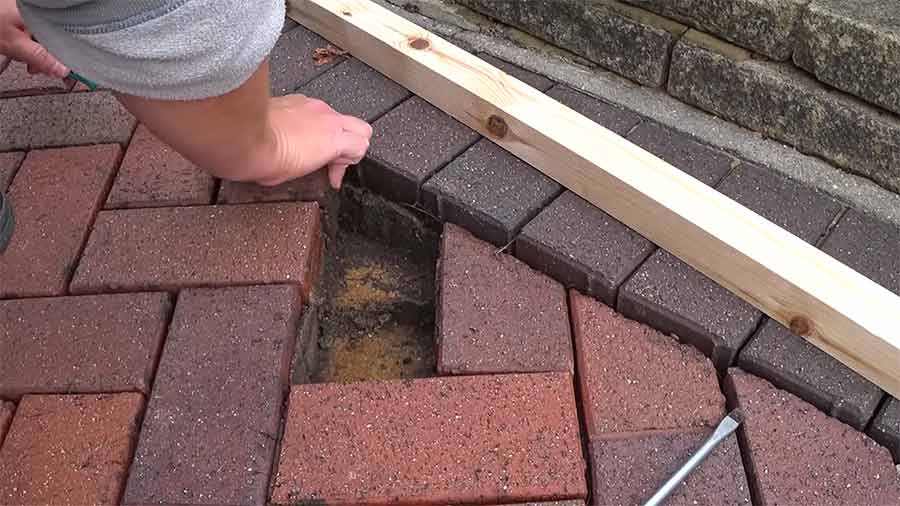
Another common cause of block paving sinkage is insufficient jointing sand between the blocks. Jointing sand serves as a stabiliser and helps distribute the load evenly. When there’s not enough sand in the joints, the blocks can become unstable and sink over time. Regularly inspect and top up the jointing sand to maintain the integrity of your block paving.
The regular use of heavy vehicles on block paving can also contribute to sinkage. Heavy vehicles exert additional pressure on the joints and can cause them to shift or break, resulting in uneven surfaces. If your block paving is frequently subjected to heavy vehicles, consider reinforcing the sub-base and using thicker blocks to withstand the extra load.
By addressing these common causes of block paving sinkage, you can keep your paving in excellent condition and prevent potential hazards. Invest in a sturdy sub-base, maintain proper jointing sand levels, and, if necessary, reinforce your paving to handle heavy vehicles. Taking proactive measures will ensure the longevity and stability of your block paving.
Fixing Sunken Block Paving
Has your block paving sunk and created an uneven surface? Don’t worry, you can easily repair it and restore its stability and appearance. Follow these steps to fix your sunken block paving:
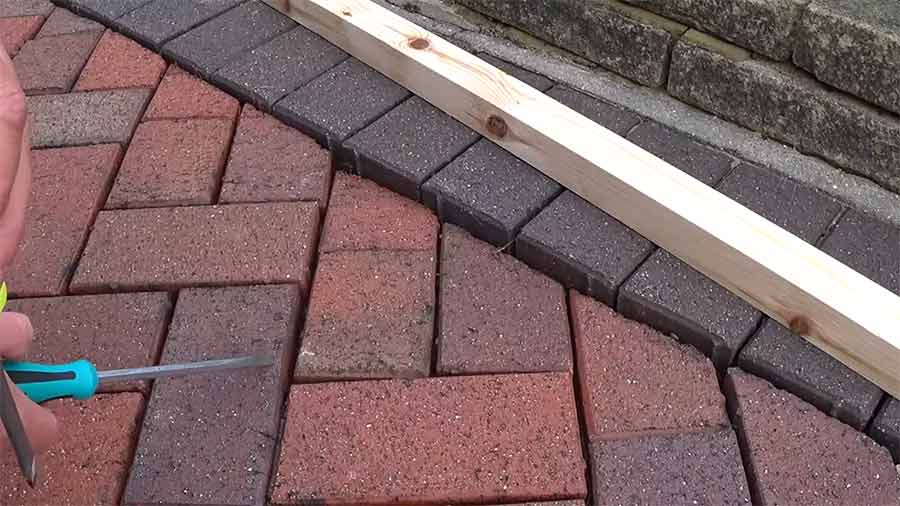
- Remove the Sunken Blocks: Carefully break away the sunken blocks from the joint sand. Take your time to ensure a clean removal without damaging the surrounding blocks.
- Create a New Laying Course: Once the blocks are removed, pour a new bed of grit sand into the low spot. Level it off to create a solid base for the relaying process.
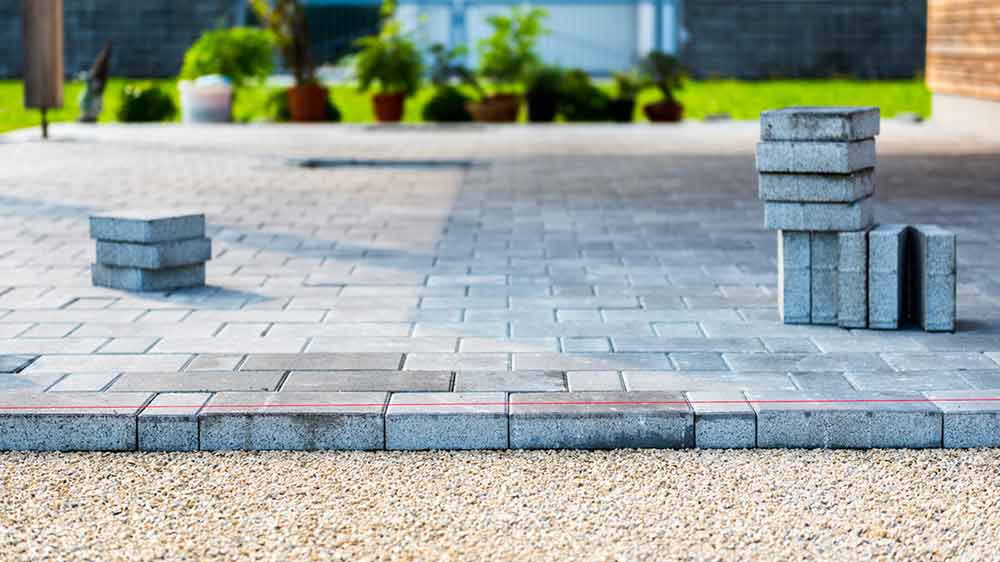
- Relay the Blocks: Place the blocks back into position, following the original pattern. Use a rubber mallet to tap them into place securely.
- Re-Apply Joint Sand: Apply joint sand into the gaps between the blocks. Ensure that the sand fills the entire space and is evenly distributed.
- Compact the Joint Sand: Use a compactor or a tamper to compact the joint sand. This will stabilise the blocks and prevent future sinking.
By following these steps, your sunken block paving will be repaired and brought back to its original condition. Remember to regularly maintain your block paving to prevent future sinking and prolong its lifespan.
If you need professional assistance with repairing sunken block paving or any block paving maintenance, consider contacting Block Paving Mansfield. Our experts have the knowledge and experience to ensure a durable and visually appealing result.
Preventing Block Paving Sinking and Maintenance Tips
To maintain the longevity and stability of block paving, regular maintenance is crucial. One key maintenance task is re-sanding the joints at least once a year.
By replenishing the jointing sand, you ensure that the paving blocks remain securely in place, minimising the risk of sinking or shifting.
Another effective measure is the use of a polyurethane sealer. Applying a high-quality block paving sealer, such as the one offered by Block Paving Mansfield, can significantly strengthen the bond between the blocks, thus preventing future sinking.
Make sure to apply the sealer after re-sanding the joints, ensuring that the paving area is completely dry for optimal results.
In addition to regular maintenance, routine cleaning and debris removal are essential. Clearing away dirt, leaves, and other debris helps prevent blockages and ensures proper drainage. Regular cleaning not only enhances the appearance of the block paving but also prolongs its lifespan by preventing the build-up of materials that can cause sinking over time.
By following these preventive measures and investing time in regular maintenance tasks, you can effectively protect your block paving from sinking and enjoy a durable, aesthetically pleasing outdoor surface for years to come.
Contact us today on 07595 510190 to receive a free quote for your Dropped Kerb, Tarmac, Resin, Concrete or Block driveway project or visit our website.
Source Links
- https://www.northeastpavingandgardens.co.uk/
repair-sunken-block-paving/ - https://improveoutdoors.com/
why-has-my-block-paving-sank/ - https://www.homelogic.co.uk/why-is-my
-driveway-sinking-the-definitive-answer
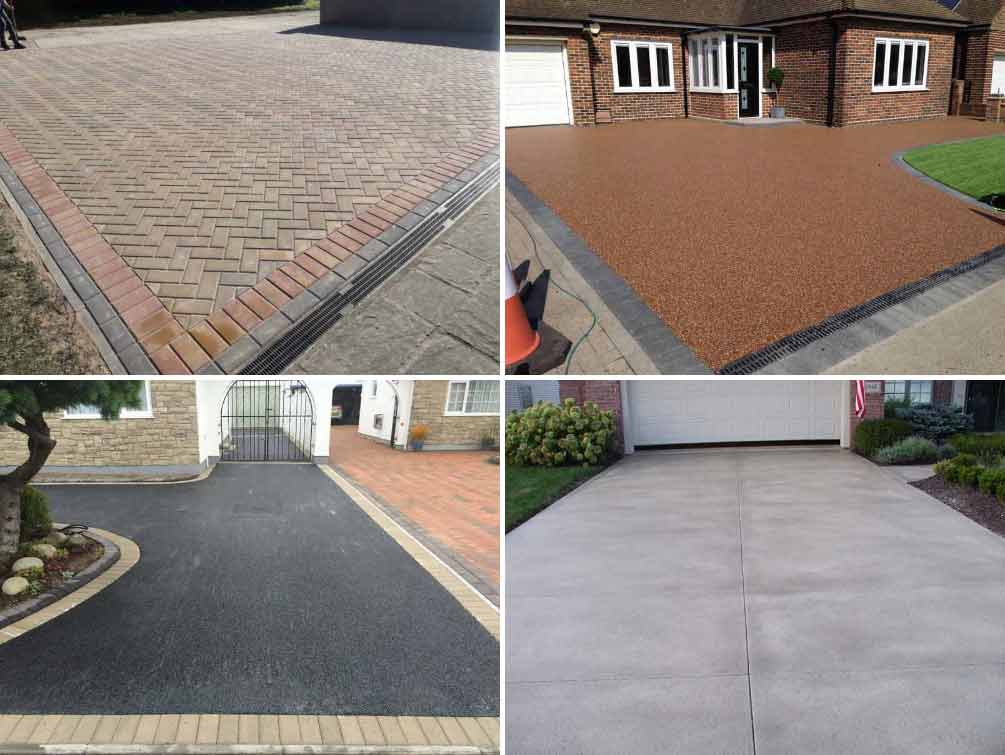
Block paving is a popular choice for driveways due to its versatility and visual appeal. Compared to other materials like Read more
Block paving has become a popular choice for homeowners looking to enhance the aesthetics and functionality of their outdoor spaces. Read more
When considering the task of laying block paving, individuals may question their capability to undertake this endeavour independently. This article Read more