
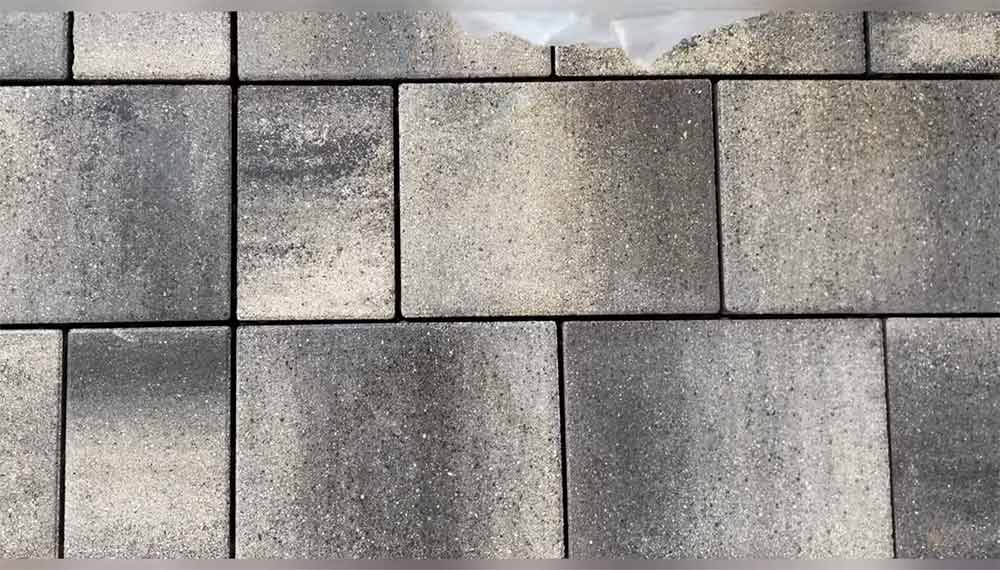
When it comes to block paving, finding the right finishing touch is crucial. You want your patio or driveway to not only look great but also stand the test of time. That’s where jointing compound comes in. But can you really use jointing compound on block paving? Is it as effective as it claims to be? Let’s dive in and explore the truth behind this widely debated topic.
Advantages of Using Jointing Compound
The use of jointing compound for block paving offers several benefits. Let’s explore why it is a popular choice for enhancing the durability, flexibility, and visual appeal of your outdoor space.
Flexibility and Protection
One of the significant advantages of using jointing compound is its flexibility. The compound allows the block paving to expand and contract naturally without the risk of cracks or loosening. This flexibility helps protect the underlying bedding course and sub-base, ensuring the longevity of your paved area.
Waterproof and Durable
Jointing compound provides a reliable waterproof seal for your block paving. By filling the joints with the compound, you prevent water from seeping into the paving, which can lead to damage and deterioration over time. The waterproof nature of jointing compound also inhibits weed growth, protecting the integrity and aesthetics of your paved surface.
Quick Installation
When it comes to installation, jointing compound offers convenience and efficiency. It requires no specialist tools and can be easily applied using a trowel and a soft broom. The compound can be brushed into the joints, and any excess material can be removed once it starts to cure. This swift installation process saves you time and effort, allowing you to enjoy your newly paved area sooner.
Enhanced Visual Appeal
Not only does jointing compound provide structural benefits, but it also enhances the visual appeal of your block paving. The compound is available in various colors to complement different block paving materials, including natural stone and concrete. This variety ensures a non-staining finish that adds an aesthetic charm to your outdoor space.
With its flexibility, waterproofing properties, quick installation, and visual enhancement capabilities, jointing compound proves to be an excellent choice for block paving projects. Its many benefits contribute to the longevity and attractiveness of your paved area, making it a worthwhile investment in your outdoor living space.
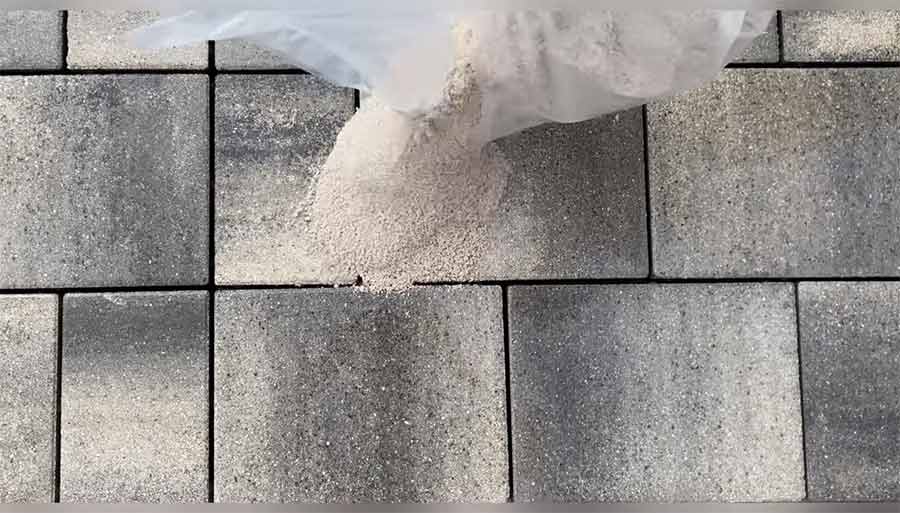
How to Apply Jointing Compound to Block Paving
Applying jointing compound to block paving is a straightforward process that requires a few essential tools and materials. By following these steps, you can achieve a professional finish and ensure the longevity of your block paving.
Gather the Necessary Tools and Materials
Before starting the application process, gather the following tools:
- Trowel
- Pointing tool
- Flex-tub or bucket
- Soft broom
Additionally, you will need the following materials:
- Jointing compound
- Water
Prepare the Paving Joints
To ensure a successful application, it is crucial to prepare the paving joints properly:
- Clean the joints thoroughly, removing any dirt, debris, or weeds.
- Ensure the joints are dry before applying the jointing compound.
- Inspect the joints for any damages or gaps and make necessary repairs.
Mix and Apply the Jointing Compound
Follow these steps to mix and apply the jointing compound:
- Start by mixing equal quantities of the two-part jointing compound in a flex-tub or bucket. Thoroughly mix until the color is consistent.
- Using a trowel, apply the mixed jointing compound to the block paving, ensuring the joints are fully filled. Spread the compound evenly, working it into the gaps.
- Use a pointing tool or brush to achieve the desired depth and finish. Pay attention to achieve a neat and tidy appearance.
- Once the jointing compound has been applied, allow it to cure according to the manufacturer’s instructions. This typically takes a few hours.
Remove Excess Material and Final Touches
After the jointing compound has cured, follow these final steps:
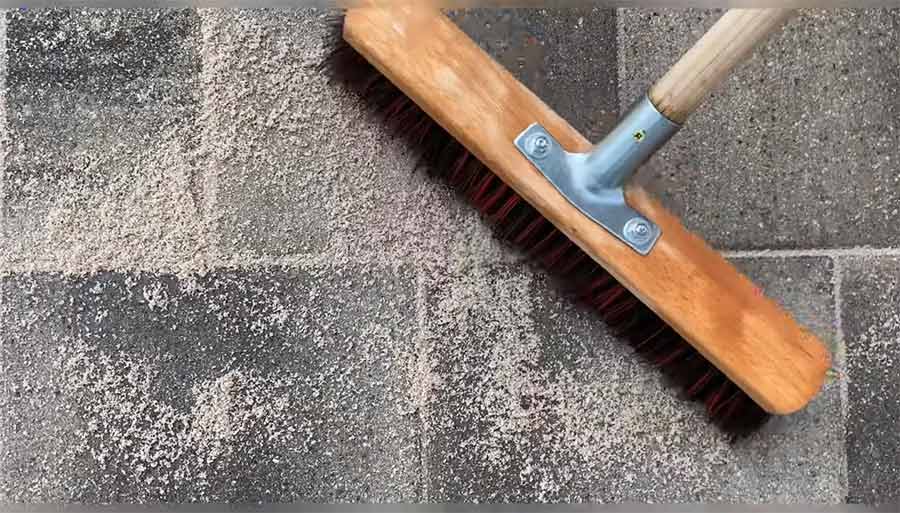
- Gently brush off any excess jointing compound from the block paving surface.
- Use a soft broom to sweep the entire paved area, ensuring all loose particles are removed for a clean finish.
With these easy-to-follow steps, you can skillfully apply jointing compound to your block paving, creating a visually pleasing and long-lasting result.
Conclusion
In conclusion, the use of jointing compound for block paving offers numerous benefits. By filling the joints with this versatile material, you can achieve a durable and visually appealing finish for your outdoor spaces. The flexibility provided by jointing compound ensures that your block paving can withstand the natural movements caused by temperature changes, preventing cracking and keeping your patio or driveway intact.
Another significant advantage of using jointing compound is its waterproofing properties. By creating a watertight seal, the compound prevents water from entering the joints, protecting the underlying layers and reducing the risk of damage. This not only prolongs the lifespan of your block paving but also reduces the need for repairs and maintenance in the long run.
The application of jointing compound is a straightforward process that requires minimal tools and materials. By following the recommended steps, you can easily fill the joints, inhibiting weed growth and preventing burrowing insects from causing damage. This hassle-free installation ensures that the jointing compound becomes an integral part of your block paving, providing a long-lasting solution for jointing.
Whether you have a driveway or a patio, using jointing compound is an excellent choice for enhancing the aesthetic appeal of your outdoor space. With its clean and non-staining finish, jointing compound gives your block paving a professional and pristine look. Choose jointing compound as your go-to solution for block paving, and enjoy the benefits of a flexible, waterproof, and visually pleasing application.
Contact us today on 07595 510190 to receive a free quote for your Dropped Kerb, Tarmac, Resin, Concrete or Block driveway project or visit our website.
Source Links
- https://www.sealantsandtoolsdirect.co.uk/sika-setting
-sand-block-paving-narrow-joint-filler-buff-sksandbf20 - https://www.pavingdirect.com/info/how-to-point-a
-patio-with-paving-jointing-compound/ - https://puresealservices.co.uk/product
/joint-it-fine-for-block-paving/
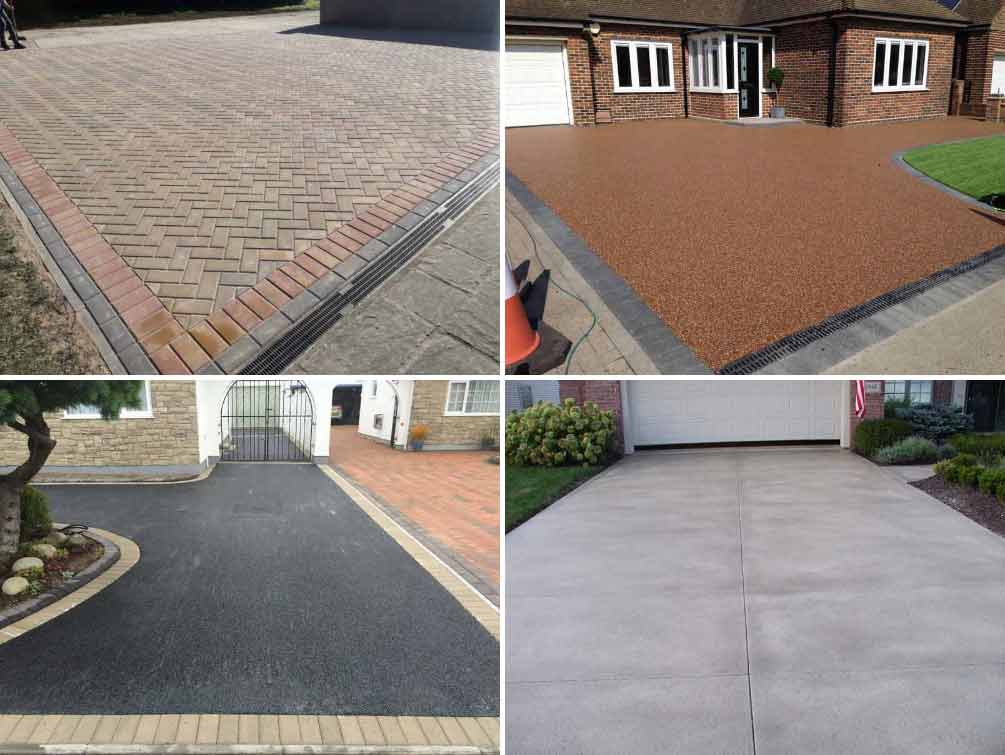
Block paving is a popular choice for driveways due to its versatility and visual appeal. Compared to other materials like Read more
Block paving has become a popular choice for homeowners looking to enhance the aesthetics and functionality of their outdoor spaces. Read more
When considering the task of laying block paving, individuals may question their capability to undertake this endeavour independently. This article Read more