
Welcome to Block Paving Mansfield, your go-to resource for all things block paving. Are you tired of looking at your dull and worn-out driveway or patio? Are you concerned about weed growth and algae taking over the beautiful paving blocks you had installed? If so, you’re in the right place. In this article, we will explore the best methods and tools to clean and maintain your block paving, keeping it in top shape and ensuring it lasts for years to come.
Block paving is a popular choice for enhancing outdoor spaces, providing a durable and aesthetically pleasing solution. However, without proper maintenance, block paving can quickly lose its charm.
That’s why it’s crucial to understand the cleaning techniques and tools needed to combat common issues like weed growth, moss, and algae.
But fear not! With our expert advice and top-notch block paving cleaning methods, you’ll be able to restore your paving blocks to their former glory and prevent future problems.
So, let’s dive in and discover the essential block paving cleaning tools and learn the best tips for maintaining your block paving. Get ready to rejuvenate your outdoor space and enjoy a pristine and inviting environment.
Essential Block Paving Cleaning Tools
To effectively clean block paving, it’s crucial to have the right tools on hand. These tools will help you tackle dirt, algae, and other debris, leaving your block paving looking pristine. Here are the essential tools you’ll need:
- Broom or Outdoor Brush: Use a sturdy broom or outdoor brush to sweep away loose debris such as leaves, dirt, and twigs. This step is essential before proceeding with any cleaning method.
- Weed Preventative: Apply a weed preventative solution to discourage weed growth between the block paving stones. This will help to maintain a weed-free surface.
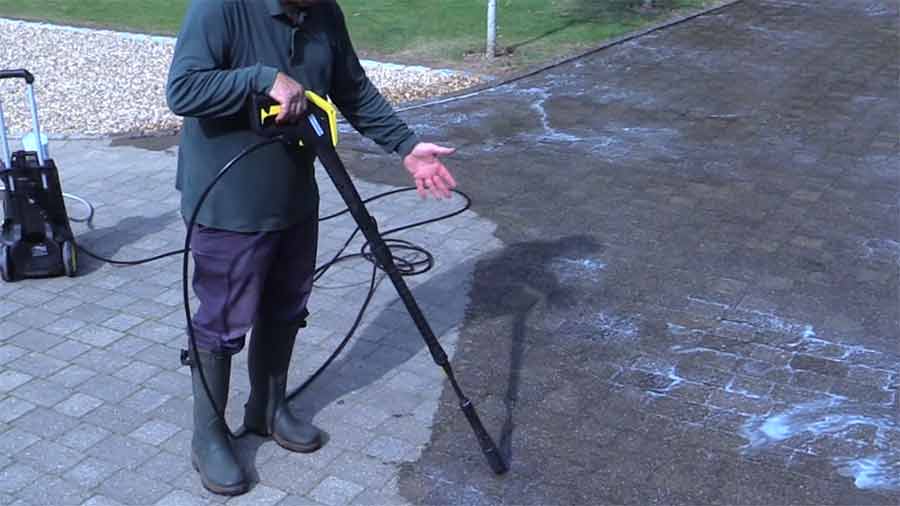
- Power Washer: A power washer is an effective tool for a thorough and deep clean of block paving. It uses high-pressure water to remove stubborn dirt, algae, and moss. Make sure to adjust the pressure according to your block paving’s condition to avoid damage.
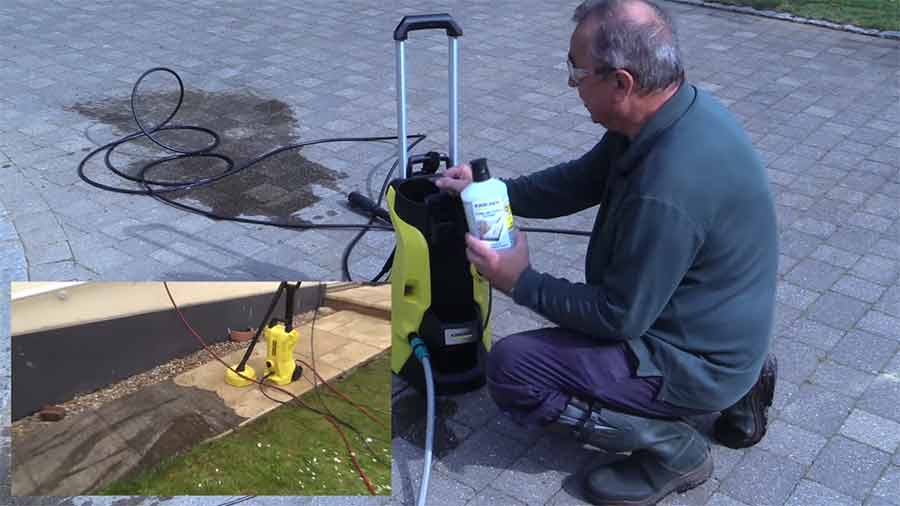
- Block Paving Cleaner: Block paving cleaner is specifically designed to remove dirt and algae from block paving surfaces. Choose a high-quality cleaner that is suitable for your paving material.
- Water: Water is an essential component for rinsing the block paving after using the power washer or cleaner. Make sure you have a sufficient water supply to complete the cleaning process.
- Steam Clean: In addition to the power washer, steam cleaning can be a highly effective method for deep cleaning block paving. Steam can help remove tough stains, such as oil or tyre marks, without the need for harsh chemicals. Consider using a steam cleaner for a thorough clean.
Having these essential tools at hand will ensure that you are well-prepared to clean your block paving effectively. Remember to follow the manufacturer’s instructions for each tool and take the necessary safety precautions.
| Tool | Benefits |
|---|---|
| Broom or Outdoor Brush | Sweeps away loose debris |
| Weed Preventative | Discourages weed growth |
| Power Washer | Thorough and deep clean |
| Block Paving Cleaner | Removes dirt and algae |
| Water | Essential for rinsing |
| Steam Cleaner | Effective for removing tough stains |
Now that you know the essential block paving cleaning tools, you’re ready to move on to the next step: learning valuable tips for cleaning and maintaining your block paving.
Tips for Cleaning and Maintaining Block Paving
Keeping your block paving in pristine condition requires regular cleaning and maintenance. By following these tips, you can effectively address common issues like oil stains and sand loss while preserving the stability and appearance of your block paving.
Removing Oil Stains
Oil stains can leave unsightly marks on your block paving, but they can be successfully removed with the right approach. Start by using a special cleaner specifically designed to tackle grease stains. Apply the cleaner to the affected areas and allow it to sit for a few minutes. Then, using a firm scrubbing brush, gently scrub the stains in circular motions until they begin to lift.
Preventing Sand Loss
Over time, block paving may experience sand loss, which can compromise its stability. To prevent this, it’s essential to seal the paving and refill the gaps between the blocks.
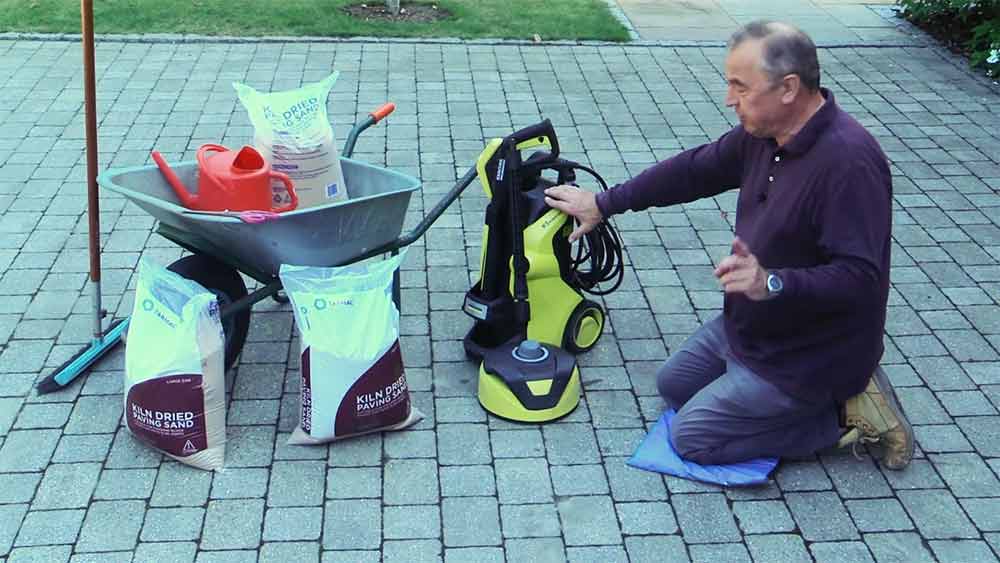
Use a high-quality jointing compound to fill the gaps, ensuring a secure fit. Additionally, regularly adding kiln-dried sand to the joints helps maintain stability and prevent further sand loss.
Regular sand addition is vital to the longevity of your block paving. It provides stability and prevents movement between the blocks, reducing the risk of damage or displacement.
By following these tips for cleaning and maintaining your block paving, you can ensure that it remains in good condition and retains its stability for years to come.
Block Paving Maintenance Checklist
| Maintenance Task | Frequency |
|---|---|
| Cleaning with block paving cleaner | Every 3-6 months |
| Scrubbing oil stains | As needed |
| Sealing the paving | Every 1-2 years |
| Refilling gaps with jointing compound | As needed |
| Adding kiln-dried sand | Every 6-12 months |
Conclusion
Regular maintenance is crucial for the longevity and appearance of your block paving. Taking care of your block paving can prevent issues such as weed growth, moss, algae, and sand loss, ensuring that your outdoor space remains beautiful and functional for years to come.
By investing time and effort into block paving maintenance, you can prolong its lifespan and enhance the overall aesthetic appeal of your area. Regular cleaning, weed prevention, and sand refilling are essential tasks that should not be overlooked.
For professional block paving maintenance services in Mansfield, contact Block Paving Mansfield at 07595 510190. Their experienced team can help you keep your block paving in top condition, ensuring its durability and visual appeal.
Contact us today on 07595 510190 to receive a free quote for your Dropped Kerb, Tarmac, Resin, Concrete or Block driveway project or visit our website.
Source Links
- https://www.simplypaving.com/advice
-centre/how-to/how-to-clean-block-paving/ - https://www.jewson.co.uk/expert-advice/
care-maintenance/cleaning-block-paving-guide - https://www.marshalls.co.uk/gardens-and
-driveways/blog/how-to-clean-block-paving
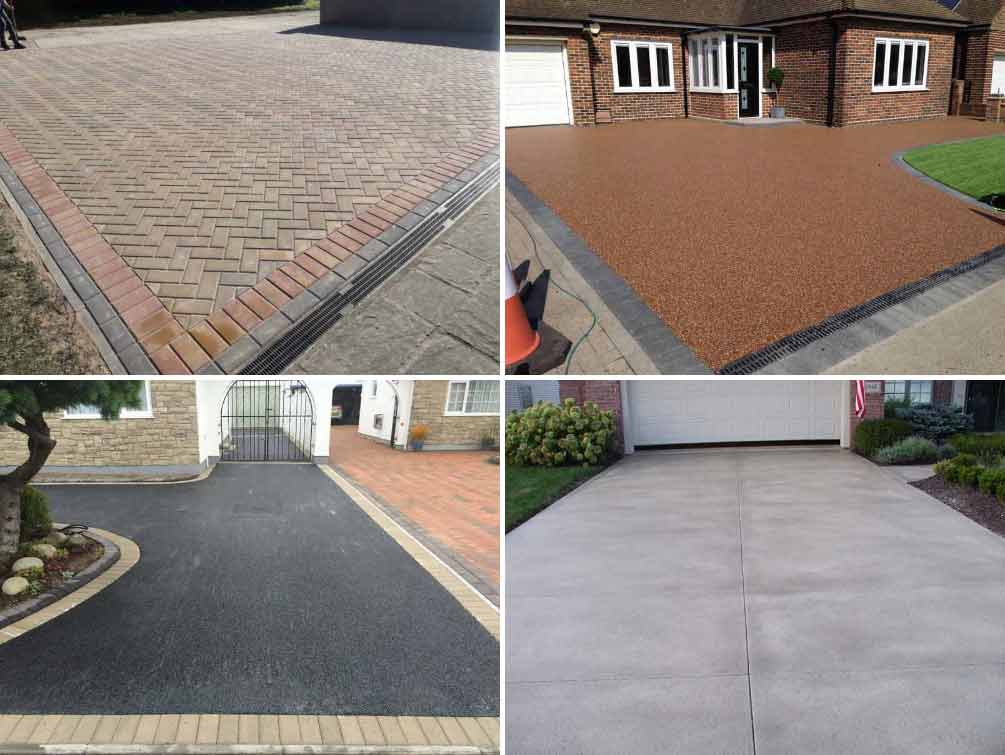
Block paving is a popular choice for driveways due to its versatility and visual appeal. Compared to other materials like Read more
Block paving has become a popular choice for homeowners looking to enhance the aesthetics and functionality of their outdoor spaces. Read more
When considering the task of laying block paving, individuals may question their capability to undertake this endeavour independently. This article Read more